

Сауда
Бәсекеге қабілетті бағалар, жоғары өтімділік және озық сауда құралдары арқылы нарықтардың кең ауқымын зерттеңіз.
Толығырақ 
Платформа
TMGM-нің жылдамдыққа, дәлдікке және жоғары деңгейлі сауда тәжірибесіне арналған қуатты платформасымен сауданы кедергісіз жүргізіңіз.
Толығырақ Сауда платформасы
Академия
Бастауыштарға арналған нұсқаулықтар, вебинарлар және нарық талдаулары сияқты ресурстар арқылы сауданың негіздерін үйреніңіз.
Толығырақ TMGM Академиясы
Жаңалықтар және талдау
Сауда мүмкіндіктерінен алда болу үшін нақты уақыттағы нарық жаңартулары мен сараптамалық талдауды алыңыз
Толығырақ Жаңалықтар және талдау
Туралы
TMGM-ді ерекшелендіретін жайттарды біліңіз — біздің жаһандық ауқымымыз, реттеушілік беріктігіміз және трейдингтегі инновацияларға деген адалдығымыз.
Толығырақ Неліктен TMGM-ді таңдау керек
South Korea proposes to lift nine-year ban on ICOs, mandate bank-led Won stablecoins
- South Korea’s FSC proposes that banks hold a 50%+1 share in groups issuing Korean Won-pegged stablecoins backed by liquid reserves.
- Proposal caps major shareholders' stakes in crypto exchanges at 20%, with regulatory approval raising it to 34% after a three-year grace period.
- The bill seeks to end South Korea’s nine-year prohibition on domestic ICOs under mandatory disclosure rules.
South Korea’s Financial Services Commission (FSC) released a draft of the Act on Digital Asset Industry Innovation and User Protection on Tuesday, aimed at improving transparency and trust in its domestic crypto market.
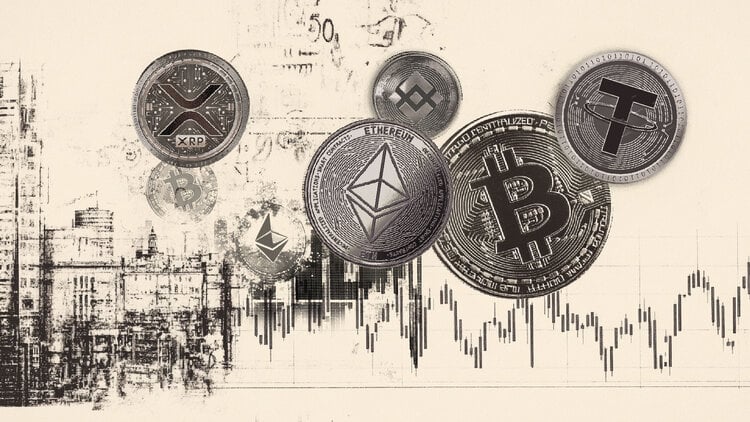
The proposal mainly focuses on lifting the ICO ban introduced in 2017 under mandatory disclosure rules and pushing commercial banks to hold at least 50% plus one share in groups issuing Korean Won-pegged stablecoins. It also proposes a cap on major shareholders' stakes in crypto exchanges and a domestic market structure comprising five regulated verticals: exchanges, trading, brokerage, custody, and asset management.
Lifting the 9-year ICO ban
The bill proposes reopening domestic Initial Coin Offerings (ICOs), which were banned in September 2017. The return of ICOs would be subject to mandatory white paper disclosures, issuance limits, and statutory listing/delisting standards.
Banks to hold majority control over KRW-pegged stablecoins
The initial issuance licenses for groups planning to issue Korean Won-pegged stablecoins would be restricted to those in which licensed banks collectively hold 50% plus one share. The bills also require issuers to hold 1:1 liquid reserve assets with guaranteed, delay-free redemption rights. However, these groups would be strictly prohibited from paying yield on stablecoin holdings, similar to the failed CLARITY Act in the US.
Korean tech firms such as Naver, Kakao, or Toss could continue to act as the largest individual shareholder, making key decisions on lead products and tech operations, provided banks collectively retain majority control.
Cap on major holdings in crypto exchange
The bill aims to democratize licensed crypto exchanges by capping major individual shareholdings at 20% in principle, which could mirror public financial infrastructure, such as stock exchanges. However, certain shareholders could increase their exposure up to 34%, subject to explicit FSC approval. Such exchanges would receive a three-year grace period post-designation to restructure ownership and further dilute their equity stakes.
Үздік мақалалар
1Еуро: PMI индекстерінің әлсіреуі АҚШ долларына қатысты қысымды күшейтеді – Danske Bank2Германияның IFO іскерлік ахуал индексі қарашада күтілгеннен көбірек өсіп, 90,6-ға жетті31,3000 деңгейі қысым астында: ЖИ ықпалымен АҚШ доллары нығайып жатқанда, фунт 19 айдағы ең төменгі деңгейлерді сынауда4Британ фунты: сауда диапазонынан шығу АҚШ долларына қатысты құлдыраудың жалғасуы мүмкін екенін көрсетеді - Societe Generale5S&P 500: Қарқынды қалпына келу және 2027 жылға арналған өршіл нысана – Deutsche Bank6АҚШ доллары индексінің бағамына болжам: сарапшылар 104,60 маңындағы өсімді шамадан тыс деп бағалайды7Венгр форинті: Рейтинг қолдау көрсеткенімен, нарықтағы көңіл күй тұрақсыз – Commerzbank8Швейцария франкі: АҚШ долларына қатысты тар диапазонда саудаланады деп күтілуде - UOB9Орталық және Шығыс Еуропа валюталары: орталық банктер қалпына келудің негізгі факторы ретінде қарастырылуда – ING


Бастау!
Тіркеліп, 3 минуттан аз уақытта жаһандық нарықтарға қол жеткізіңіз

Бізбен байланысыңыз









Байланыстар
Телефон: +61 2 8036 8388
Факс: +61 2 8036 8388
Эл. пошта: support@tmgm.com



Осы веб-сайтта берілген ақпарат тек жалпы сипатта ғана ұсынылады және жеке қаржылық кеңес болып табылмайды. Осы веб-сайттағы кез келген ақпаратқа сүйенбес бұрын, оның сіздің мақсаттарыңызға, қаржылық жағдайыңызға және қажеттіліктеріңізге сәйкестігін бағалауыңыз керек. CFD және FX Margin Contracts-қа инвестиция салу елеулі тәуекелдермен байланысты және барлық инвесторлар үшін қолайлы емес. Сіз бастапқы салымыңыздан артық қаражат жоғалтуыңыз мүмкін. Сіз базалық активке ешқандай меншік құқығына немесе үлеске ие болмайсыз. Сауда жасамас бұрын тәуелсіз кеңес алуды және тәуекелдерді толық түсінуді ұсынамыз. Веб-сайтта көрсетілген кез келген өнімді сатып алмас бұрын, ақпараттық құжатты оқып, оны мұқият қарастыру маңызды. Осы веб-сайтта ұсынылған ақпарат пен жарнамалар жергілікті заңдар мен ережелерге қайшы келетін кез келген елде немесе юрисдикцияда тұратын адамдардың пайдалануына арналмаған. Осы веб-сайтта ұсынылатын Өнімдер мен Қызметтер Америка Құрама Штаттары, Малайзия және Таиланд тұрғындарына арналмаған.
TMGM әртүрлі юрисдикцияларда уәкілетті және реттеледі.
Trademax Australia Limited, TMGM атауымен жұмыс істейді, Австралияның Бағалы қағаздар және инвестициялар жөніндегі комиссиясымен (ASIC) реттеледі, AFSL № 436416 және мына мекенжайда орналасқан: Level 28, One International Tower, 100 Barangaroo Avenue, 2000 Sydney, NSW Australia.
Электрондық пошта: support@tmgm.com.au
Trademax Global Limited, TMGM атауымен жұмыс істейді, Вануату Қаржылық қызметтер комиссиясымен (VFSC) уәкілетті және реттеледі, тіркеу нөмірі 40356, тіркелген мекенжайы: 1276, Kumul Highway, Port Vila, Vanuatu, Republic of Vanuatu.
Электрондық пошта: support@tmgm.com
Trademax Global Markets (SE) Limited, TMGM атауымен жұмыс істейді, Сейшел аралдарының Қаржылық қызметтер басқармасы (FSA) тарапынан уәкілетті және реттеледі, лицензия нөмірі SD224. Компания мына мекенжайда тіркелген: Office No 13, Providence Estate ABIS Centre, Mahe, Seychelles.
Электрондық пошта: support@tmgm.com
Trademax Global Markets (International) Pty Ltd, TMGM атауымен жұмыс істейді, Mauritius Қаржылық қызметтер комиссиясымен (FSC) № GB22201012 лицензиясы бойынша уәкілетті және реттеледі, тіркелген мекенжайы: 33, Edith Cavell Street C/o IQ EQ Fund Services (Mauritius) Ltd Port Louis, 11324 Mauritius.
Электрондық пошта: support@tmgm.com
Авторлық құқық © TMGM. Барлық құқықтар қорғалған