


EURUSD
+0.37%
1 D change
1.12557

GBPUSD
+0.61%
1 D change
1.33374
USDJPY
+0.01%
1 D change
157.91900
AUDUSD
+0.6%
1 D change
0.69610
US30
+1.16%
1 D change
52373.00000
NAS100
+0.97%
1 D change
29968.06000
BTCUSD
+1.23%
1 D change
82079.00000
XTIUSD
+1.12%
1 D change
97.19000
XAUUSD
+0.85%
1 D change
4187.98000
XAGUSD
+2.07%
1 D change
57.93300
EURUSD
+0.37%
1 D change
1.12557
GBPUSD
+0.61%
1 D change
1.33374
USDJPY
+0.01%
1 D change
157.91900
AUDUSD
+0.6%
1 D change
0.69610
US30
+1.16%
1 D change
52373.00000
NAS100
+0.97%
1 D change
29968.06000
BTCUSD
+1.23%
1 D change
82079.00000
XTIUSD
+1.12%
1 D change
97.19000
XAUUSD
+0.85%
1 D change
4187.98000
XAGUSD
+2.07%
1 D change
57.93300
ETHUSD
지금 거래하기
ETHUSD란 무엇인가요?
ETHUSD는 미국 달러로 표시한 이더(Ether)의 티커 심볼입니다. ETH는 이더리움 네트워크의 고유 암호화폐인 이더의 통화 코드이며, USD는 미국 달러입니다. 이 통화쌍은 이더와 달러 간의 실시간 환율을 나타내며, 특정 시점에 1 ETH의 가치가 몇 미국 달러인지 보여줍니다.
ETHUSD 가격에 영향을 미치는 요인은 무엇인가요?
ETHUSD 가격은 수요와 공급에 의해 움직입니다. 이더의 수요와 공급, 그리고 결과적으로 ETHUSD 환율에 영향을 미치는 6가지 요인은 비트코인 가격 변동, 거시경제 여건, 네트워크 활동 및 가스 수수료, 프로토콜 업그레이드, 투자자 심리와 투기, 그리고 대체 블록체인과의 경쟁입니다.
미국 달러 강세는 ETHUSD 통화쌍에만 해당하는 일곱 번째 요인으로 작용합니다. 달러가 강세를 보이면 다른 자산 대비 이더의 가치가 변하지 않았더라도 표시 가격은 하락하고, 달러가 약세를 보이면 가격은 상승합니다.
ETHUSD 가격은 어떻게 계산되나요?
ETHUSD 가격은 1 이더(ETH)의 가치를 미국 달러(USD)로 표시해 산출됩니다. 이 통화쌍은 방정식의 어느 한쪽이라도 변하면 움직입니다. 이더 수요가 증가하면 가격이 상승하고, 미국 달러가 강세를 보이면 가격이 하락합니다. 이 두 힘은 동시에 작용하므로, ETHUSD는 특정 시점에서 이더와 달러 간의 상대적 강도를 반영합니다.
ETHUSD 거래는 어떻게 이루어지나요?
ETHUSD 거래는 블록체인이나 지갑에서 ETH를 보유하지 않고도 이더-달러 환율에 대해 레버리지 포지션을 개설하는 방식으로 이루어집니다. 손익은 가격 변동 방향을 정확히 예측했는지에 따라 결정됩니다.
- 매수(롱) 포지션을 개설한다는 것은 USD 대비 ETH에 대해 롱 포지션을 취하는 것으로, 이더가 달러 대비 상승할 때 수익을 얻습니다.
- 매도(숏) 포지션을 개설한다는 것은 USD 대비 ETH에 대해 숏 포지션을 취하는 것으로, 이더 가격이 하락할 때 수익을 얻습니다.
ETHUSD 거래의 장점은 무엇인가요?
ETHUSD는 트레이더에게 7가지 장점을 제공합니다: 높은 유동성, 양방향 수익 기회, 레버리지, 24시간 7일 시장 접근성, 포트폴리오 다각화, 단위당 더 낮은 자본 투입, 그리고 DeFi 수요에 대한 익스포저입니다.
- 이더는 시가총액과 거래량 기준으로 두 번째로 큰 암호화폐로, ETHUSD 통화쌍에서 타이트한 스프레드와 효율적인 주문 체결을 지원합니다.
- ETHUSD는 레버리지 포지션을 통해 거래되므로, 롱 또는 숏 포지션을 통해 가격 상승과 하락 양방향 모두에서 수익 기회를 얻을 수 있습니다.
- 레버리지는 예치금 대비 더 큰 포지션을 통제할 수 있게 해주므로, 이더 가격 변동에 대한 익스포저를 확보하는 데 필요한 자본을 줄여줍니다.
- 암호화폐 시장은 주말과 공휴일을 포함해 연속적으로 운영되므로, 거래 기회에 끊김 없이 접근할 수 있습니다.
- 이더의 가격 움직임은 전통적인 주식 및 통화와 다르기 때문에, 기존 자산군에 집중된 포트폴리오에 다각화 수단을 제공합니다.
- 비트코인 대비 이더의 단위 가격이 더 낮기 때문에, 체결 시 계약당 필요한 자본 부담이 더 작습니다.
- 탈중앙화 금융(DeFi) 및 스마트 계약 애플리케이션의 인프라 계층으로서 이더리움의 역할은 지속적인 네트워크 기반 수요를 만들어내며, 이는 ETH의 가격 움직임에 직접 반영됩니다.
ETHUSD 거래의 위험은 무엇인가요?
ETHUSD 거래에는 5가지 주요 위험이 있습니다: 극심한 가격 변동성, 레버리지 증폭 효과, 규제 불확실성, 네트워크 혼잡 위험, 그리고 제한적인 투자자 보호입니다.
- 이더 가격은 심리 변화, 프로토콜 실패 또는 대규모 청산에 반응해 몇 분 안에 급격히 변동할 수 있습니다. ETH는 비트코인 대비 고베타 자산으로 거래되므로 상승과 하락 양방향 모두에서 변동률이 더 크게 나타나는 경향이 있으며, 단 한 번의 예상치 못한 움직임만으로도 투자 자본의 전부 또는 일부를 잃을 수 있습니다.
- 레버리지는 이러한 변동을 증폭시킵니다. 이더 가격이 조금만 불리하게 움직여도 증거금이 빠르게 소진될 수 있어 계좌 손실 위험이 커집니다.
- 암호화폐에 대한 규제 체계는 관할 지역마다 다르며 갑작스러운 변경 가능성이 있어, 거래 접근이 제한되거나 급격한 매도세를 촉발할 수 있습니다.
- 이더리움 블록체인의 네트워크 혼잡은 가스 수수료 급등과 현물 시장의 거래 지연을 초래할 수 있으며, 이는 브로커가 제시하는 ETHUSD 호가에 영향을 주는 가격 괴리로 이어질 수 있습니다.
- ETHUSD는 유동성이 낮거나 변동성이 극심한 시기에는 스프레드가 더 넓어질 수 있으며, 이로 인해 체결 가격이 손절매 수준을 넘어설 수 있습니다.
- 일반적인 리스크 관리 원칙은 단일 거래에서 전체 거래 자본의 1%를 초과해 위험에 노출하지 않는 것입니다.
ETHUSD를 거래하기 가장 좋은 시간은 언제인가요?
ETHUSD를 거래하기 가장 좋은 시간은 13:00~17:00 UTC의 미국-유럽 시장 중첩 시간대입니다. 이 4시간 구간은 미국과 유럽의 금융 중심지가 동시에 활발히 운영되기 때문에 암호화폐 거래일 중 가장 높은 유동성을 만들어냅니다. ETHUSD의 스프레드는 가장 타이트해지며, 13:30 UTC에 발표되는 미국 경제지표(NFP, CPI, PPI)는 이 시간대 초반에 위치해 USD 강세에 직접적인 영향을 주고, 따라서 ETHUSD 가격에도 영향을 미칩니다.
이더리움 네트워크 활동도 이 시간대를 강화합니다. DeFi 프로토콜 사용량이 가장 많은 미국 및 유럽 업무 시간 동안 가스 수수료와 온체인 거래량이 급증합니다. 이러한 활동 급증은 ETH 가격 움직임에 직접 반영되며, 가장 강한 ETHUSD 거래 여건을 동일한 중첩 시간대에 집중시킵니다.
주요 프로토콜 업그레이드 역시 단기 거래 기회를 만듭니다. 이더리움 메인넷 업그레이드는 역사적으로 유럽 업무 시간 중 배포되는 경우가 많았으며, 시장이 실행 리스크와 결과를 가격에 반영하면서 ETHUSD의 변동성이 높아졌습니다.
ETHUSD는 주말에 거래가 종료되는 외환 및 원자재 통화쌍과 달리 하루 24시간, 주 7일 거래됩니다. 미국-유럽 중첩 시간대 외에는 유동성이 감소하고, 미국과 유럽 시장이 모두 비활성화된 UTC 심야 시간대에는 스프레드가 확대됩니다. 더 높은 유동성은 모든 ETHUSD 거래에서 더 타이트한 스프레드, 더 빠른 체결, 더 낮은 슬리피지 위험으로 이어집니다.
ETHUSD 거래는 어떻게 시작하나요?
이 페이지에서 바로 ETHUSD 거래를 시작할 수 있습니다. 위의 실시간 차트는 이더-달러 환율을 실시간으로 보여주며, 지금 거래 버튼을 클릭하면 암호화폐 CFD 계좌 개설 절차로 이동합니다.
TMGM에서 첫 ETHUSD 거래를 실행하려면 다음 5단계를 따르세요:
- TMGM 거래 계좌를 개설하고 인증을 완료합니다.
- 계좌에 자금을 입금하고 사용 가능한 증거금을 확인합니다.
- ETHUSD 차트를 분석해 진입 가격대와 거래 방향을 결정합니다.
- 포지션 규모를 선택하고 손절매 및 이익실현 수준을 설정합니다.
- 이더 강세를 예상하면 매수하고, 약세를 예상하면 매도합니다.
TMGM은 ETHUSD에 대해 매수호가와 매도호가를 표시합니다. 두 가격 간 차이는 스프레드이며, 진입 시 포지션에 적용됩니다. 실시간 차트에서 오픈 포지션을 추적하고, 가격 전개에 따라 손절매를 조정하세요.
ETHUSD를 거래하려면 얼마의 자금이 필요한가요?
TMGM에서 ETHUSD 거래를 시작하기 위한 최소 입금액은 $100입니다. 필요한 총 자본은 포지션 규모, 레버리지 비율, 증거금 요건에 따라 달라집니다.
ETHUSD 증거금은 포지션 가치를 레버리지 비율로 나누어 계산합니다. 예를 들어, 이더 호가가 $2,100이고 1:100 레버리지로 0.1랏 포지션을 개설하는 경우 필요한 증거금은 $21입니다. 포지션 규모를 늘리거나 레버리지 비율을 낮추면 거래 진입 및 유지에 필요한 증거금이 증가합니다.
또한 계좌 잔액은 진입 시 스프레드 비용을 충당하고, 마진콜을 유발하지 않고 가격 변동을 견딜 수 있을 만큼 충분한 가용 증거금을 유지해야 합니다. 거래당 계좌 잔액의 1%를 초과하지 않도록 위험을 제한하면 여러 포지션을 보유하고 단기적인 역방향 움직임을 흡수할 여지를 확보할 수 있습니다.
TMGM은 ASIC, VFSC, FSA 및 FSC의 인가를 받았으며, 고객 자금을 보호하기 위해 분리 예치된 고객 예금 계좌를 사용합니다.
관련 뉴스 및 시장 인사이트

Euro recovers further against US Dollar amid AI sell-off narrative
The Euro (EUR) extends its recovery move to near 1.1250 against the US Dollar (USD) in the European trading session on Friday. The major currency pair started recovering after posting a fresh 16-month low near 1.1113 on Wednesday.
더 읽기
16 Oct 2026

Euro: Consolidation potential against US Dollar on CPI – ING
ING’s Chris Turner highlights that Eurozone CPI is set to be confirmed at 3.8%, well above the ECB’s target, with markets still digesting hawkish inflation forecasts and pricing around 75bp of further tightening. He sees EUR/USD supported by US tech unease and potentially extending a consolidative move toward 1.1340/50, though he expects USD/CHF to outperform on any deeper US equity correction.
더 읽기
16 Oct 2026
US Dollar: Strong data yet limited support – Commerzbank
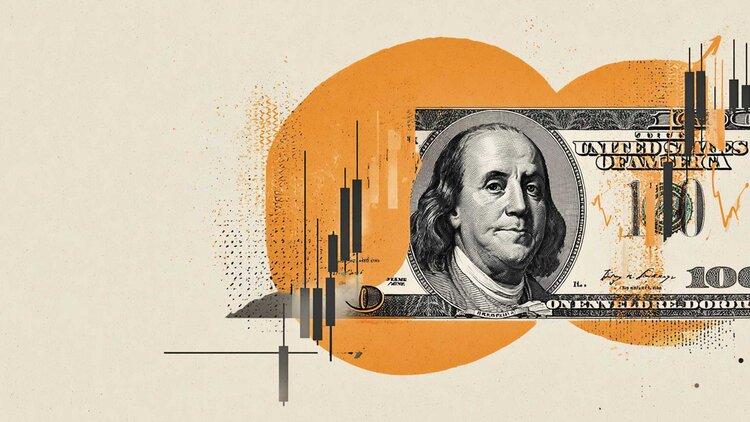
Commerzbank’s Thu Lan Nguyen notes that despite stronger-than-expected US inflation, retail sales and producer prices, the Dollar and EUR/USD have largely reverted to pre-data levels.
더 읽기
16 Oct 2026
관련 뉴스 및 시장 인사이트
Euro recovers further against US Dollar amid AI sell-off narrative
The Euro (EUR) extends its recovery move to near 1.1250 against the US Dollar (USD) in the European trading session on Friday. The major currency pair started recovering after posting a fresh 16-month low near 1.1113 on Wednesday.
더 읽기
16 Oct 2026
Euro: Consolidation potential against US Dollar on CPI – ING
ING’s Chris Turner highlights that Eurozone CPI is set to be confirmed at 3.8%, well above the ECB’s target, with markets still digesting hawkish inflation forecasts and pricing around 75bp of further tightening. He sees EUR/USD supported by US tech unease and potentially extending a consolidative move toward 1.1340/50, though he expects USD/CHF to outperform on any deeper US equity correction.
더 읽기
16 Oct 2026
US Dollar: Strong data yet limited support – Commerzbank
Commerzbank’s Thu Lan Nguyen notes that despite stronger-than-expected US inflation, retail sales and producer prices, the Dollar and EUR/USD have largely reverted to pre-data levels.
더 읽기
16 Oct 2026
더보기

계좌 개설
ETH/USD 자주 묻는 질문
ETHUSD를 거래하려면 지갑이 필요한가요?
+
이더리움 스테이킹은 ETHUSD 가격에 어떤 영향을 미치나요?
+
ETHUSD는 이더리움(Ethereum)과 같은가요?
+
ETHUSD를 거래할 때 이더(ETH)를 실제로 보유하게 되나요?
+
수상 & 인정
가장 신뢰받는
외환 브로커
2024
외환 브로커
2024

Wiki Finance Expo, Bangkok 수상
최고의 외환
거래 플랫폼
2024
거래 플랫폼
2024
IFINEXPO, Hong Kong 수상
SkyLine
Guide 2024
어워드
Guide 2024
어워드
WikiFX SkyLine Guide 수상
가장 혁신적인
스포츠
스폰서십
스포츠
스폰서십
Forex Sports Awards 수상

소셜 미디어












이 웹사이트에 제공된 정보는 일반적인 성격의 정보일 뿐이며 개인 맞춤형 금융 자문을 구성하지 않습니다. 이 웹사이트의 정보를 바탕으로 행동하기 전에, 귀하의 목표, 재정 상황 및 필요에 비추어 해당 정보의 적합성을 고려해야 합니다. CFD 및 FX 마진 계약에 대한 투자는 상당한 위험을 수반하며 모든 투자자에게 적합하지 않을 수 있습니다. 귀하는 최초 예치금보다 더 큰 손실을 입을 수 있습니다. 귀하는 기초자산에 대한 소유권이나 어떠한 이해관계도 보유하지 않습니다. 거래를 시작하기 전에 독립적인 자문을 구하고 관련 위험을 충분히 이해하시기를 권장합니다. 웹사이트에 기재된 상품을 취득하기 전에 공시 문서를 읽고 검토하는 것이 중요합니다. 이 웹사이트에서 제공되는 정보 및 광고는 그러한 사용이 현지 법률 및 규정에 위배되는 국가 또는 관할권의 개인이 사용하도록 의도된 것이 아닙니다. 이 웹사이트에서 제공되는 상품 및 서비스는 미국, 말레이시아 및 태국 거주자를 대상으로 하지 않습니다.
TMGM은 다양한 관할권에서 승인 및 규제를 받고 있습니다.
TMGM으로 거래하는 Trademax Australia Limited는 호주 증권투자위원회(ASIC)의 규제를 받으며, AFSL 번호 436416이고 Level 28, One International Tower, 100 Barangaroo Avenue, 2000 Sydney, NSW Australia에 위치하고 있습니다.
이메일: support@tmgm.com.au
TMGM으로 거래하는 Trademax Global Limited는 바누아투 금융서비스위원회(VFSC)의 승인 및 규제를 받으며, 등록 번호 40356이고 1276, Kumul Highway, Port Vila, Vanuatu, Republic of Vanuatu에 등록되어 있습니다.
이메일: support@tmgm.com
Trademax Global Markets (SE) Limited(이하 TMGM)는 세이셸 금융청(FSA)의 인가 및 규제를 받으며, 허가 번호는 SD224입니다. 회사는 세이셸 마헤, 프로비던스 에스테이트 ABIS 센터, 사무실 번호 13에 등록되어 있습니다.
이메일: support@tmgm.com
TMGM으로 거래하는 Trademax Global Markets (International) Pty Ltd는 모리셔스 금융서비스위원회(FSC)의 승인 및 규제를 받으며 라이선스 번호 GB22201012이고, 33, Edith Cavell Street C/o IQ EQ Fund Services (Mauritius) Ltd Port Louis, 11324 Mauritius에 등록되어 있습니다.
이메일: support@tmgm.com
Copyright © TMGM. All rights reserved