

التداول
اكتشف مجموعة متنوعة من الأسواق العالمية مع تسعير تنافسي، سيولة عالية، وأدوات تداول متقدمة تدعم قراراتك الاستثمارية.
اكتشف المزيد 
منصات التداول
تداول بسلاسة مع منصة TMGM القوية، المصممة للسرعة والدقة وتجربة تداول فائقة.
اكتشف المزيد منصات التداول
الأكاديمية
تعلّم أساسيات التداول من خلال محتوى تعليمي مُبسط ومصمم للمبتدئين، يشمل أدلة تعليمية،ندوات مباشرة عبر الإنترنت، وتحليلات لأهم تحركات السوق.
اكتشف المزيد أكاديمية TMGM
الأخبار والتحليلات
تابع أحدث تطورات الأسواق لحظة بلحظة، مع تحليلات احترافية تساعدك على اتخاذ قرارات مدروسة والاستفادة من فرص التداول.
اكتشف المزيد الأخبار والتحليلات
معلومات عنا
تعرّف على ما يميز TMGM، من حضور عالمي قوي وإشراف تنظيمي موثوق، إلى التزامنا المستمر بالابتكار وتطوير بيئة تداول متقدمة.
اكتشف المزيد لماذا TMGM؟
EURUSD
-0.06%
1 D change
1.11871

GBPUSD
-0.28%
1 D change
1.32241
USDJPY
-0.3%
1 D change
157.96500
AUDUSD
-0.48%
1 D change
0.69733
US30
-0.45%
1 D change
51615.62000
NAS100
-2.58%
1 D change
29757.99000
BTCUSD
-2.01%
1 D change
81682.60000
XTIUSD
-1.38%
1 D change
95.59000
XAUUSD
-0.58%
1 D change
4115.86000
XAGUSD
-4.66%
1 D change
55.78900
EURUSD
-0.06%
1 D change
1.11871
GBPUSD
-0.28%
1 D change
1.32241
USDJPY
-0.3%
1 D change
157.96500
AUDUSD
-0.48%
1 D change
0.69733
US30
-0.45%
1 D change
51615.62000
NAS100
-2.58%
1 D change
29757.99000
BTCUSD
-2.01%
1 D change
81682.60000
XTIUSD
-1.38%
1 D change
95.59000
XAUUSD
-0.58%
1 D change
4115.86000
XAGUSD
-4.66%
1 D change
55.78900
XTIUSD
تداول الآن
ما هو XTIUSD؟
يربط الرمز XTIUSD بين XTI، وهو رمز برميل واحد من خام غرب تكساس الوسيط، وUSD لتسعير سعر نفط WTI بالدولار الأمريكي في الوقت الفعلي. ويُدرج بعض الوسطاء الأداة نفسها تحت الرمز USOIL.
يُعد خام غرب تكساس الوسيط المعيار الرئيسي للنفط الخام في الولايات المتحدة. ويُنتج من حقول النفط الأمريكية الداخلية ويُسلَّم إلى مركز التخزين في كوشينغ، أوكلاهوما، ويُستخدم كسعر مرجعي لعقود النفط الخام المحلية الأمريكية. ويعكس سعر XTIUSD القيمة السوقية الحالية لبرميل واحد من هذا الخام القياسي، معبَّراً عنها بالدولار.
ما الذي يؤثر في سعر XTIUSD؟
تتحرك أسعار XTIUSD بفعل 8 عوامل رئيسية: العرض والطلب، ومخزونات النفط الخام الأمريكية، وسياسة إنتاج أوبك+، والصراعات الجيوسياسية، وتوقعات النمو الاقتصادي، واضطرابات الإمدادات، وقوة الدولار الأمريكي، والتنظيم الحكومي وسياسة الطاقة.
تُعد قوة الدولار الأمريكي عاملاً مباشراً في زوج XTIUSD لأن خام WTI مُسعَّر بالدولار. فالدولار الأقوى يجعل النفط أكثر تكلفة للمشترين من غير حاملي الدولار ويضغط على السعر المُعلن نحو الانخفاض، بينما يدعمه الدولار الأضعف.
وتحظى مخزونات النفط الخام الأمريكية بتأثير كبير على XTIUSD تحديداً: إذ يقيس تقرير حالة البترول الأسبوعي الصادر عن إدارة معلومات الطاقة (EIA) التغيرات في المخزونات في كوشينغ، أوكلاهوما، حيث يتم التسليم الفعلي لعقود WTI، وأي انحراف عن التوقعات الإجماعية يدفع إلى إعادة تسعير فورية للزوج.
كيف يتم احتساب سعر XTIUSD؟
يمثل سعر XTIUSD قيمة برميل واحد من خام غرب تكساس الوسيط (XTI) مُسعَّراً بالدولار الأمريكي (USD). ويتحرك الزوج عندما يتغير أي من طرفي المعادلة: فارتفاع الطلب على نفط WTI يدفع السعر إلى الأعلى، بينما يؤدي ارتفاع قوة الدولار الأمريكي إلى انخفاضه. ويعمل العاملان في الوقت نفسه، ولهذا يعكس XTIUSD القوة النسبية بين خام WTI والدولار في أي لحظة.
كيف يعمل تداول XTIUSD؟
يمكنك تداول XTIUSD من خلال اتخاذ مركز شراء أو بيع برافعة مالية على سعر نفط WTI مقابل الدولار الأمريكي. ويعتمد ربحك أو خسارتك على ما إذا كنت قد توقعت اتجاه حركة السعر بشكل صحيح.
- فتح مركز شراء (Long) يعني شراء XTI مقابل بيع USD، وتحقيق ربح إذا ارتفع نفط WTI مقابل الدولار.
- فتح مركز بيع (Short) يعني بيع XTI مقابل شراء USD، وتحقيق ربح إذا انخفض نفط WTI.
يمكنك فتح المراكز وإغلاقها خلال اليوم نفسه للاستفادة من تحركات سعر نفط WTI خلال التداولات اليومية.
ما فوائد تداول XTIUSD؟
يوفر XTIUSD للمتداولين 8 مزايا: سيولة مرتفعة، وتنويع المحفظة، والحساسية للاقتصاد الأمريكي، وإمكانية الربح في الاتجاهين، والرافعة المالية، والقدرة على التحوط، وفرص تداول قائمة على البيانات، والتعرض لطلب الطاقة المحلي.
- يُعد خام WTI من أكثر عقود النفط الخام تداولاً على مستوى العالم، ما يدعم فروق أسعار ضيقة وتنفيذاً فعالاً للأوامر على زوج XTIUSD.
- تتحرك أسعار نفط WTI بشكل مستقل عن الأسهم والعملات، ما يوفر أداة للتنويع ووسيلة تحوط ضد مخاطر تركز المحفظة.
- يتفاعل XTIUSD مباشرة مع المؤشرات الاقتصادية الأمريكية، بما في ذلك الناتج المحلي الإجمالي، ومؤشر مديري المشتريات الصناعي، وبيانات التوظيف، ما يخلق فرص تداول متكررة مرتبطة بأكبر اقتصاد مستهلك للنفط في العالم.
- وبما أن XTIUSD يتم تداوله من خلال مراكز برافعة مالية، يمكنك التداول في كلا جانبي السوق عبر الشراء أو البيع.
- تتيح لك الرافعة المالية التحكم في مركز أكبر مقارنة بإيداعك، ما يقلل رأس المال المطلوب للحصول على تعرض لتحركات سعر نفط WTI.
- يُستخدم خام WTI كسعر مرجعي لعقود النفط الخام المحلية الأمريكية، ما يجعل XTIUSD أداة تحوط مباشرة ضد التعرض لتكاليف الطاقة في محفظة ذات وزن أمريكي.
- تؤدي إصدارات البيانات المجدولة، ولا سيما تقرير حالة البترول الأسبوعي الصادر عن EIA وبيانات المخزون الصادرة عن API، إلى نوافذ تقلب متوقعة مع إشارات اتجاه واضحة على XTIUSD.
- يؤدي التوسع الاقتصادي الأمريكي إلى زيادة استهلاك الوقود المحلي ومعدلات تشغيل المصافي، ما يربط الطلب على WTI بإنتاج أكبر اقتصاد في العالم.
ما مخاطر تداول XTIUSD؟
ينطوي تداول XTIUSD على 5 مخاطر رئيسية: تقلبات سعرية غير متوقعة، وتضخيم الرافعة المالية، ومخاطر الفجوات السعرية، وتغيرات السيولة، والتقلبات الناتجة عن المخزونات.
- قد تتحرك أسعار نفط WTI بشكل حاد استجابةً لمفاجآت مخزونات EIA، وإعلانات أوبك+، وتصاعد التوترات الجيوسياسية، وبيانات الإنتاج الأمريكية، وقد تؤدي حركة واحدة غير متوقعة إلى خسارة كل أو جزء من رأس مالك المستثمر.
- تُضخّم الرافعة المالية هذه التقلبات: إذ يمكن لتحرك سلبي صغير في سعر نفط WTI أن يستهلك الهامش بسرعة، ما يزيد من خطر تصفير الحساب.
- قد يشهد XTIUSD فجوات سعرية بين الجلسات، إذ يمكن للتطورات الليلية في المناطق المنتجة للنفط أو التغيرات في بيانات الإمدادات الأمريكية أن تدفع سعر الافتتاح بعيداً عن الإغلاق السابق، ما يؤدي إلى تنفيذ الأوامر بعد مستوى وقف الخسارة الخاص بك.
- تتسع فروق الأسعار على XTIUSD خلال فترات انخفاض السيولة، خصوصاً خارج فترة تداخل جلستي لندن ونيويورك، ما يزيد تكلفة الدخول إلى المراكز والخروج منها.
- تُعد سعة التخزين في كوشينغ قيداً مادياً على تسعير WTI. فعندما تقترب المخزونات من الحدود التشغيلية، قد ينفصل عقد الشهر الأمامي عن أساسيات سوق النفط الأوسع، ما ينتج عنه تحركات سعرية حادة وغير متوازنة على XTIUSD.
من القواعد الشائعة لإدارة المخاطر ألا تخاطر بأكثر من 1% من إجمالي رأس مال التداول في صفقة واحدة.
ما أفضل وقت لتداول XTIUSD؟
أفضل وقت لتداول XTIUSD هو خلال فترة تداخل جلستي لندن/نيويورك، من 13:00 إلى 17:00 بتوقيت UTC (من 08:00 إلى 12:00 بتوقيت EST). تستضيف نيويورك بورصة NYMEX، حيث يتم إدراج عقد WTI الآجل، بينما تدير لندن ICE Futures Europe للمشتقات المرتبطة بالطاقة. وعندما يكون المركزان نشطين في الوقت نفسه، تبلغ سيولة XTIUSD ذروتها، وتضيق فروق الأسعار، ويكون تنفيذ الأوامر في أسرع حالاته.
هناك حدثان متكرران للبيانات الأمريكية يركزان أقوى حركة سعرية لـ XTIUSD ضمن هذه النافذة.
- يصدر معهد البترول الأمريكي (API) تقديره الأسبوعي للمخزونات عند 20:30 بتوقيت UTC (16:30 بتوقيت EST) يوم الثلاثاء، ما يحدد توقعات السوق قبل البيانات الحكومية الرسمية.
- ويليه تقرير حالة البترول الصادر عن EIA عند 14:30 بتوقيت UTC (10:30 بتوقيت EST) يوم الأربعاء، والذي يقيس التغيرات في مخزونات الخام في كوشينغ، أوكلاهوما. وتؤدي الانحرافات عن التوقعات الإجماعية إلى ارتفاعات فورية في أحجام التداول على XTIUSD مع إعادة تسعير المتداولين لظروف الإمداد المحلية.
كما تصدر البيانات الاقتصادية الأمريكية عند 13:30 بتوقيت UTC (مثل NFP وCPI وPPI) في بداية نافذة التداخل وتؤثر مباشرة في قوة الدولار الأمريكي، ما يضيف طبقة ثانية من التقلب إلى زوج XTIUSD. وبعد إغلاق لندن عند 17:00 بتوقيت UTC، تنحصر السيولة في نشاط NYMEX فقط وتتسع فروق الأسعار. وتؤدي السيولة الأعلى إلى فروق أسعار أضيق، وتنفيذ أسرع، وانخفاض مخاطر الانزلاق السعري في كل صفقة XTIUSD.
كيف أبدأ تداول XTIUSD؟
يمكنك بدء تداول XTIUSD مباشرة من هذه الصفحة. يُظهر الرسم البياني المباشر أعلاه سعر نفط WTI في الوقت الفعلي، وينقلك زر "تداول الآن" إلى عملية فتح الحساب.
لوضع أول صفقة XTIUSD على TMGM، اتبع هذه الخطوات الخمس:
- افتح حساب التداول الخاص بك لدى TMGM وأكمل التحقق منه.
- موّل حسابك وتحقق من الهامش المتاح لديك.
- ادرس مخطط XTIUSD لتحديد مستوى الدخول واتجاه الصفقة.
- اختر حجم مركزك وحدد مستويات وقف الخسارة وجني الأرباح.
- انقر على شراء إذا كنت تتوقع ارتفاع سعر نفط WTI، أو بيع إذا كنت تتوقع انخفاضه.
تعرض TMGM سعر الطلب وسعر العرض لـ XTIUSD. والفارق بينهما هو السبريد، والذي يُطبق على مركزك عند الدخول. تابع صفقتك المفتوحة على الرسم البياني المباشر وحرّك وقف الخسارة مع تطور السعر.
كم من المال أحتاج لتداول XTIUSD؟
الحد الأدنى للإيداع لبدء تداول XTIUSD على TMGM هو 100 دولار. ويعتمد المبلغ الذي تحتاجه بعد ذلك على حجم مركزك، ونسبة الرافعة المالية، ومتطلبات الهامش.
يتم احتساب هامش XTIUSD بقسمة قيمة المركز على نسبة الرافعة المالية. على سبيل المثال، إذا كان نفط WTI يتداول عند 100 دولار للبرميل وفتحت مركزاً بحجم 0.1 لوت (10 براميل) برافعة مالية 1:100، فإن الهامش المطلوب هو 10 دولارات. ويؤدي المركز الأكبر أو نسبة الرافعة الأقل إلى زيادة الهامش المطلوب لفتح الصفقة والاحتفاظ بها.
كما يجب أن يغطي رصيد حسابك تكلفة السبريد عند الدخول، وأن يحتفظ بهامش حر كافٍ لتحمل تقلبات الأسعار دون تفعيل نداء الهامش. ويساعد حصر المخاطرة بما لا يزيد عن 1% من رصيد حسابك لكل صفقة على توفير مساحة للاحتفاظ بعدة مراكز واستيعاب التحركات قصيرة الأجل المعاكسة لاتجاهك.
تداول خام غرب تكساس الوسيط ابتداءً من 100 دولار على TMGM.
افتح حساب تداول النفطأو جرّب حسابنا التجريبي المجاني (من دون الحاجة إلى إيداع).
TMGM مرخّصة من قبل ASIC وVFSC وFSA وFSC، وتستخدم حسابات إيداع عملاء منفصلة لتأمين أموال العملاء.
متعلق بـ الأخبار ورؤى السوق

يتراجع الذهب بقوة إلى ما دون 4,100 دولار مع إحياء بيانات مؤشر أسعار المستهلكين المرتفعة رهانات رفع الفائدة من قبل الاحتياطي الفيدرالي في أكتوبر
انهار سعر الذهب (XAU/USD) بنحو 2% يوم الأربعاء بعد أن جاء أحدث تقرير للتضخم في الولايات المتحدة أعلى من المتوقع، مما أعاد إحياء الرهانات على أن مجلس الاحتياطي الفيدرالي (Fed) قد يرفع أسعار الفائدة في اجتماع 27-28 أكتوبر. وفي وقت كتابة هذا التقرير، يتم تداول XAU/USD عند 4,078 دولارًا، بعد أن بلغ ذروته بالقرب من 4,170 دولارًا.
اقرأ المزيد
14 Oct 2026
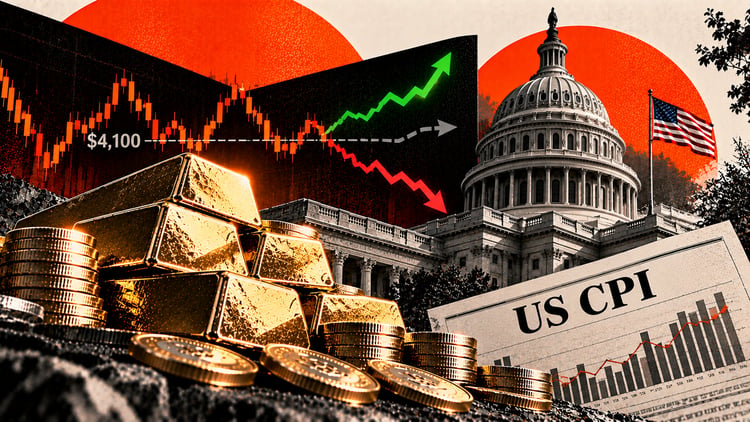
توقعات أسعار الذهب: XAU/USD يتراجع تدريجياً مع تركيز الأسواق على مؤشر أسعار المستهلك الأمريكي ومتحدثي الاحتياطي الفيدرالي
يوسّع الذهب (XAU/USD) خسائره يوم الأربعاء، رغم انخفاض عوائد سندات الخزانة الأمريكية، في وقت يترقب فيه المستثمرون من الهامش صدور تقرير مؤشر أسعار المستهلك الأمريكي (CPI) لشهر سبتمبر، إلى جانب تصريحات مسؤولي الاحتياطي الفيدرالي (Fed) المقررة في وقت لاحق من اليوم.
اقرأ المزيد
14 Oct 2026

سعر الفضة اليوم: الفضة تتراجع، وفقًا لبيانات FXStreet
انخفضت أسعار الفضة (XAG/USD) يوم الأربعاء، وفقًا لبيانات FXStreet. ويتم تداول الفضة عند 58.56 دولارًا للأونصة الترويسية، بانخفاض قدره 1.06% مقارنةً بسعر 59.18 دولارًا الذي سجلته يوم الثلاثاء.
اقرأ المزيد
14 Oct 2026
تعلّم التداول

ما هو نفط غرب تكساس الوسيط (WTI): الأهمية، الغرض، وكيفية تداوله
يُعد خام غرب تكساس الوسيط (WTI - West Texas Intermediate) المعيار المرجعي الأساسي المستخدم لتسعير النفط الخام في الولايات المتحدة، وأحد المعيارين العالميين الرئيسيين للنفط إلى جانب خام برنت.
تنبع أهمية خام غرب تكساس الوسيط من كونه المعيار الرئيسي لسوق النفط الأمريكي، ولأنه الأصل الأساسي الذي يستند إليه عقد العقود الآجلة للنفط في بورصة نايمكس (NYMEX)، كما أن له دورًا متناميًا في التسعير الدولي للنفط، ويُعد خامًا عالي الجودة لعمليات التكرير.
يُستخدم معيار خام غرب تكساس الوسيط لتسعير النفط الخام الفعلي في السوق الأمريكية من خلال فروقات العقود والتسعير الفوري المتمركز حول كوشينغ. كما يُستخدم أيضًا لتداول التعرض لأسعار النفط من خلال المشتقات.
يتم تداول نفط خام غرب تكساس الوسيط عبر المشتقات مثل عقود الفروقات (CFDs) والعقود الآجلة والخيارات، حيث يتخذ المتداولون مراكز شراء أو بيع بناءً على توقعاتهم لارتفاع السعر أو انخفاضه. ويبدأ تداول خام غرب تكساس الوسيط باختيار منصة خاضعة للتنظيم، ثم فتح الحساب وتمويله، وتحديد أداة WTI، وفتح صفقة مع تحديد ضوابط واضحة لإدارة المخاطر.
اقرأ المزيد
22 Jul 2026

ما هو تداول النفط: كيف يعمل، وطرق تداوله
تداول النفط هو شراء وبيع النفط الخام والأدوات المرتبطة بالنفط بهدف الاستفادة من تحركات الأسعار. ويتداول المتداولون في سوق النفط من خلال المشتقات المالية أو المنتجات المتداولة في البورصة، بدلاً من استلام البراميل فعليًا. ويُعد خام برنت (Brent Crude) وغرب تكساس الوسيط (WTI) المعيارين الرئيسيين المستخدمين لتسعير النفط عالميًا.
تتم آلية تداول النفط من خلال اتخاذ مركز بناءً على اتجاه السعر. يفتح المتداولون مراكز شراء إذا كانوا يتوقعون ارتفاع أسعار النفط، ويفتحون مراكز بيع إذا كانوا يتوقعون انخفاض الأسعار. وعلى معظم منصات تداول العقود مقابل الفروقات (CFD)، تُشتق أسعار النفط من عقد العقود الآجلة للشهر الأقرب للاستحقاق الخاص بالمعيار المرجعي المعني. ويتم تحديد الربح أو الخسارة بناءً على الفرق بين سعر الدخول وسعر الخروج.
يمكنك تداول النفط من خلال 5 أدوات رئيسية: عقود النفط مقابل الفروقات، والعقود الآجلة للنفط، وعقود خيارات النفط، وصناديق النفط المتداولة في البورصة، وأسهم شركات النفط. ويختلف كل منتج من حيث هيكل العقد، ومتطلبات الهامش، ومدى الارتباط المباشر بسعر النفط. ويبدأ العديد من متداولي التجزئة بعقود النفط مقابل الفروقات لأنها توفر تعرضًا مباشرًا للأسعار المرجعية، وتتيح التداول في الاتجاهين، وتجنب التزامات التسليم الفعلي وتكاليف الترحيل المرتبطة بالعقود الآجلة.
اقرأ المزيد
22 Jul 2026
كيفية تداول النفط في 7 خطوات
يتضمن تداول النفط 7 خطوات. تبدأ بتعلّم العوامل التي تحرّك أسعار النفط والفرق بين خام غرب تكساس الوسيط (WTI) وخام برنت، وهما المعياران المرجعيان اللذان يحددان السوق.
بعد ذلك، تختار وسيطًا منظمًا، وتفتح حسابك وتموّله، ثم تنفّذ أول صفقة لك من خلال اختيار المعيار المرجعي، والاتجاه، وحجم الصفقة، وأمر إيقاف الخسارة.
بعد فتح الصفقة، تقوم بإدارة المركز من خلال متابعة الهامش الخاص بك، ومراقبة الأحداث المجدولة مثل تقارير مخزونات إدارة معلومات الطاقة (EIA) وقرارات أوبك+، وأخذ ترحيل العقود في الاعتبار. وعندما تتحقق شروط الخروج الخاصة بك، تغلق الصفقة وتدوّن النتيجة في سجل التداول الخاص بك.
اقرأ المزيد
14 Sep 2026
متعلق بـ الأخبار ورؤى السوق
يتراجع الذهب بقوة إلى ما دون 4,100 دولار مع إحياء بيانات مؤشر أسعار المستهلكين المرتفعة رهانات رفع الفائدة من قبل الاحتياطي الفيدرالي في أكتوبر
انهار سعر الذهب (XAU/USD) بنحو 2% يوم الأربعاء بعد أن جاء أحدث تقرير للتضخم في الولايات المتحدة أعلى من المتوقع، مما أعاد إحياء الرهانات على أن مجلس الاحتياطي الفيدرالي (Fed) قد يرفع أسعار الفائدة في اجتماع 27-28 أكتوبر. وفي وقت كتابة هذا التقرير، يتم تداول XAU/USD عند 4,078 دولارًا، بعد أن بلغ ذروته بالقرب من 4,170 دولارًا.
اقرأ المزيد
14 Oct 2026
توقعات أسعار الذهب: XAU/USD يتراجع تدريجياً مع تركيز الأسواق على مؤشر أسعار المستهلك الأمريكي ومتحدثي الاحتياطي الفيدرالي
يوسّع الذهب (XAU/USD) خسائره يوم الأربعاء، رغم انخفاض عوائد سندات الخزانة الأمريكية، في وقت يترقب فيه المستثمرون من الهامش صدور تقرير مؤشر أسعار المستهلك الأمريكي (CPI) لشهر سبتمبر، إلى جانب تصريحات مسؤولي الاحتياطي الفيدرالي (Fed) المقررة في وقت لاحق من اليوم.
اقرأ المزيد
14 Oct 2026
سعر الفضة اليوم: الفضة تتراجع، وفقًا لبيانات FXStreet
انخفضت أسعار الفضة (XAG/USD) يوم الأربعاء، وفقًا لبيانات FXStreet. ويتم تداول الفضة عند 58.56 دولارًا للأونصة الترويسية، بانخفاض قدره 1.06% مقارنةً بسعر 59.18 دولارًا الذي سجلته يوم الثلاثاء.
اقرأ المزيد
14 Oct 2026
المزيد
تعلّم التداول
ما هو نفط غرب تكساس الوسيط (WTI): الأهمية، الغرض، وكيفية تداوله
يُعد خام غرب تكساس الوسيط (WTI - West Texas Intermediate) المعيار المرجعي الأساسي المستخدم لتسعير النفط الخام في الولايات المتحدة، وأحد المعيارين العالميين الرئيسيين للنفط إلى جانب خام برنت.
تنبع أهمية خام غرب تكساس الوسيط من كونه المعيار الرئيسي لسوق النفط الأمريكي، ولأنه الأصل الأساسي الذي يستند إليه عقد العقود الآجلة للنفط في بورصة نايمكس (NYMEX)، كما أن له دورًا متناميًا في التسعير الدولي للنفط، ويُعد خامًا عالي الجودة لعمليات التكرير.
يُستخدم معيار خام غرب تكساس الوسيط لتسعير النفط الخام الفعلي في السوق الأمريكية من خلال فروقات العقود والتسعير الفوري المتمركز حول كوشينغ. كما يُستخدم أيضًا لتداول التعرض لأسعار النفط من خلال المشتقات.
يتم تداول نفط خام غرب تكساس الوسيط عبر المشتقات مثل عقود الفروقات (CFDs) والعقود الآجلة والخيارات، حيث يتخذ المتداولون مراكز شراء أو بيع بناءً على توقعاتهم لارتفاع السعر أو انخفاضه. ويبدأ تداول خام غرب تكساس الوسيط باختيار منصة خاضعة للتنظيم، ثم فتح الحساب وتمويله، وتحديد أداة WTI، وفتح صفقة مع تحديد ضوابط واضحة لإدارة المخاطر.
اقرأ المزيد
22 Jul 2026
ما هو تداول النفط: كيف يعمل، وطرق تداوله
تداول النفط هو شراء وبيع النفط الخام والأدوات المرتبطة بالنفط بهدف الاستفادة من تحركات الأسعار. ويتداول المتداولون في سوق النفط من خلال المشتقات المالية أو المنتجات المتداولة في البورصة، بدلاً من استلام البراميل فعليًا. ويُعد خام برنت (Brent Crude) وغرب تكساس الوسيط (WTI) المعيارين الرئيسيين المستخدمين لتسعير النفط عالميًا.
تتم آلية تداول النفط من خلال اتخاذ مركز بناءً على اتجاه السعر. يفتح المتداولون مراكز شراء إذا كانوا يتوقعون ارتفاع أسعار النفط، ويفتحون مراكز بيع إذا كانوا يتوقعون انخفاض الأسعار. وعلى معظم منصات تداول العقود مقابل الفروقات (CFD)، تُشتق أسعار النفط من عقد العقود الآجلة للشهر الأقرب للاستحقاق الخاص بالمعيار المرجعي المعني. ويتم تحديد الربح أو الخسارة بناءً على الفرق بين سعر الدخول وسعر الخروج.
يمكنك تداول النفط من خلال 5 أدوات رئيسية: عقود النفط مقابل الفروقات، والعقود الآجلة للنفط، وعقود خيارات النفط، وصناديق النفط المتداولة في البورصة، وأسهم شركات النفط. ويختلف كل منتج من حيث هيكل العقد، ومتطلبات الهامش، ومدى الارتباط المباشر بسعر النفط. ويبدأ العديد من متداولي التجزئة بعقود النفط مقابل الفروقات لأنها توفر تعرضًا مباشرًا للأسعار المرجعية، وتتيح التداول في الاتجاهين، وتجنب التزامات التسليم الفعلي وتكاليف الترحيل المرتبطة بالعقود الآجلة.
اقرأ المزيد
22 Jul 2026
كيفية تداول النفط في 7 خطوات
يتضمن تداول النفط 7 خطوات. تبدأ بتعلّم العوامل التي تحرّك أسعار النفط والفرق بين خام غرب تكساس الوسيط (WTI) وخام برنت، وهما المعياران المرجعيان اللذان يحددان السوق.
بعد ذلك، تختار وسيطًا منظمًا، وتفتح حسابك وتموّله، ثم تنفّذ أول صفقة لك من خلال اختيار المعيار المرجعي، والاتجاه، وحجم الصفقة، وأمر إيقاف الخسارة.
بعد فتح الصفقة، تقوم بإدارة المركز من خلال متابعة الهامش الخاص بك، ومراقبة الأحداث المجدولة مثل تقارير مخزونات إدارة معلومات الطاقة (EIA) وقرارات أوبك+، وأخذ ترحيل العقود في الاعتبار. وعندما تتحقق شروط الخروج الخاصة بك، تغلق الصفقة وتدوّن النتيجة في سجل التداول الخاص بك.
اقرأ المزيد
14 Sep 2026
المزيد

افتح حسابًا
الأسئلة الشائعة حول XTI/USD
هل XTIUSD هو نفسه USOIL؟
+
هل يُعدّ تداول XTIUSD مماثلًا لتداول نفط خام غرب تكساس الوسيط (WTI) الفعلي؟
+
هل ينبغي أن أتداول XTIUSD أم XBRUSD؟
+
ما الفرق بين خام غرب تكساس الوسيط (WTI) وخام برنت؟
+
الجوائز & التقدير
الأكثر موثوقية
وسيط فوركس
2024
وسيط فوركس
2024

مُكرّم من Wiki Finance Expo، بانكوك
أفضل منصة
لتداول الفوركس
2024
لتداول الفوركس
2024
مُكرّم من IFINEXPO، هونغ كونغ
جائزة SkyLine
Guide 2024
Guide 2024
مُكرّم من WikiFX SkyLine Guide
أكثر رعاية رياضية
ابتكارًا
ابتكارًا
مُكرّم من Forex Sports Awards
ابدأ الآن!
سجّل وابدأ التداول في الأسواق العالمية خلال أقل من 3 دقائق

تواصل معنا









جهات الاتصال
الهاتف +61 2 8036 8388
الفاكس +61 2 8036 8388
البريد الإلكتروني support@tmgm.com
الموقع الإلكتروني https://www.tmgmasia.com/en



المعلومات المقدمة على هذا الموقع الإلكتروني ذات طبيعة عامة فقط ولا تشكل نصيحة مالية شخصية. قبل اتخاذ أي إجراء بناءً على أي معلومات واردة في هذا الموقع الإلكتروني، ينبغي عليك النظر في مدى ملاءمة هذه المعلومات لأهدافك ووضعك المالي واحتياجاتك. ينطوي الاستثمار في عقود الفروقات وعقود الهامش على الفوركس على مخاطر كبيرة، وهو غير مناسب لجميع المستثمرين. قد تخسر أكثر من إيداعك الأولي. أنت لا تملك الأصل الأساسي، ولا لديك أي مصلحة فيه. نوصي بأن تطلب مشورة مستقلة وأن تتأكد من أنك تفهم تمامًا المخاطر التي تنطوي عليها قبل التداول. من المهم أن تقرأ وثيقة الإفصاح وتدرسها قبل الحصول على أي منتج مدرج على الموقع الإلكتروني. إن المعلومات والإعلانات المعروضة على هذا الموقع الإلكتروني غير مخصصة للاستخدام من قبل أي شخص في أي بلد أو ولاية قضائية يكون فيها هذا الاستخدام مخالفًا للقوانين واللوائح المحلية. المنتجات والخدمات المعروضة على هذا الموقع الإلكتروني غير مخصصة للمقيمين في الولايات المتحدة وماليزيا وتايلاند.
TMGM مرخصة ومنظمة في ولايات قضائية مختلفة.
شركة Trademax Australia Limited، التي تتداول باسم TMGM، منظمة من قبل لجنة الأوراق المالية والاستثمارات الأسترالية (ASIC)، رقم AFSL 436416 وتقع في المستوى 28، برج دولي واحد، 100 شارع بارانجارو، 2000 سيدني، نيو ساوث ويلز أستراليا.
البريد الإلكتروني: support@tmgm.com.au
شركة Trademax Global Limited، التي تتداول باسم TMGM، مرخصة ومنظمة من قبل لجنة الخدمات المالية في فانواتو (VFSC)، رقم التسجيل 40356 ومسجلة في 1276، طريق كومول السريع، بورت فيلا، فانواتو، جمهورية فانواتو.
البريد الإلكتروني: support@tmgm.com
شركة Trademax Global Markets (SE) Limited، المعروفة باسم TMGM، مرخصة ومنظمة من قبل هيئة الخدمات المالية (FSA) في سيشيل، برقم الترخيص SD224. الشركة مسجلة في المكتب رقم 13، مركز ABIS العقاري، ماهي، سيشيل.
البريد الإلكتروني: support@tmgm.com
شركة Trademax Global Markets (International) Pty Ltd، التي تتداول باسم TMGM، مرخصة ومنظمة من قبل لجنة الخدمات المالية، موريشيوس (FSC) برقم الترخيص GB22201012، ومسجلة في 33، شارع إديث كافيل c/o IQ EQ Fund Services (Mauritius) Ltd بورت لويس، 11324 موريشيوس.
البريد الإلكتروني: support@tmgm.com
حقوق الطبع والنشر © TMGM. جميع الحقوق محفوظة