

Торговля
Изучите широкий спектр рынков с конкурентными ценами, высокой ликвидностью и передовыми торговыми инструментами.
Узнать больше 
Платформа
Торгуйте без сбоев на мощной платформе TMGM, созданной для скорости, точности и превосходного торгового опыта.
Узнать больше Торговая платформа
Торговые инструменты
Академия
Изучите основы торговли с помощью материалов для начинающих, включая руководства, вебинары и аналитические обзоры рынка.
Узнать больше Новости и аналитика
Получайте актуальные рыночные обновления и экспертную аналитику, чтобы быть на шаг впереди торговых возможностей
Узнать больше Новости и аналитика
О нас
Узнайте, что отличает TMGM — наше глобальное присутствие, надежное регулирование и приверженность инновациям в трейдинге.
Узнать больше Почему выбирают TMGM
Спонсорство
US Dollar Index (DXY) extends reversal below 102.00 as risk appetite improves
- The US Dollar Index drops nearly 0.4% on Monday, reaching daily lows below 102.00.
- Investors are selling safe havens, like the US Dollar, amid hopes of another round of US-Iran peace talks.
- Market expectations of a Fed rate hike in December are likely to keep US Dollar dips limited.
The safe-haven US Dollar (USD) is showing the weakest performance among major currencies on Monday, as improving market sentiment boosts riskier-perceived currencies, with negotiations for a Middle East peace apparently making progress and Oil prices dropping to levels near two-month lows. The US Dollar Index (DXY), which measures the value of the Greenback against a basket of six majors, dips nearly 0.4%, reaching session lows below 102.00.
Investors' mood has improved at the week's opening. The main European bourses are showing gains between 0.7% and 1.4% at lunchtime, and Wall Street futures are set for a positive open, as lower Oil prices have contributed to offset market concerns about AI overfinancing, at least for now.
Diplomatic efforts to bring US and Iran to the negotiating table intensify
News reporting intensifying efforts to bring US and Iranian negotiators back to the table is also undermining support for the US Dollar. Reuters reported earlier on Monday that Qatari Prime Minister Sheikh Mohammed bin Abdulrahman Al-Thani will meet US President Donald Trump and Vice President JD Vance at the White House later in the day to discuss advances in the negotiating process so far.
Trump contributed to boost appetite for risk on Sunday, affirming that he was highly unlikely to order new attacks on Iran while efforts to bring the conflict to an end continue.
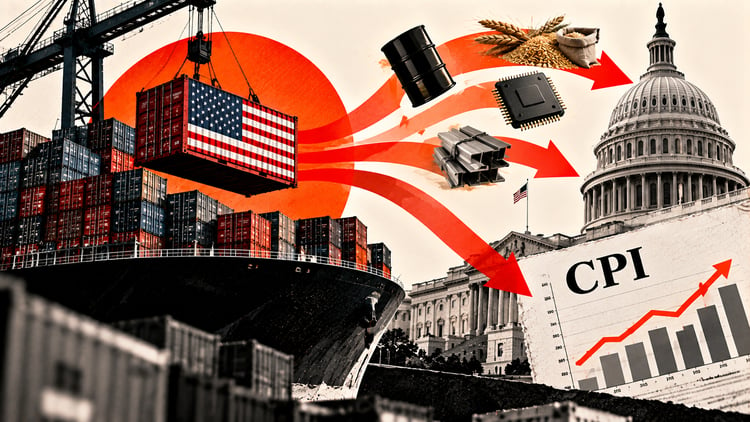
This has sent the bright US labour data to the rear seat, although the strong Nonfarm Payrolls (NFP) report seen last Friday and rising bets that the Federal Reserve (Fed) will hike rates in December are likely to set a floor on USD dips. Against this background, US Consumer Price Index (CPI) data, due on Tuesday, is likely to be analysed with particular interest.
Strategists at ING argue that “unless risk sentiment remains poor this week, lower front-end US rates should favour a weaker Dollar, even if inflation tomorrow comes in slightly hotter than expected,” suggesting the latest bout of US Dollar strength could fade if markets stabilise and yields ease.
US Dollar FAQs
The US Dollar (USD) is the official currency of the United States of America, and the ‘de facto’ currency of a significant number of other countries where it is found in circulation alongside local notes. It is the most heavily traded currency in the world, accounting for over 88% of all global foreign exchange turnover, or an average of $6.6 trillion in transactions per day, according to data from 2022. Following the second world war, the USD took over from the British Pound as the world’s reserve currency. For most of its history, the US Dollar was backed by Gold, until the Bretton Woods Agreement in 1971 when the Gold Standard went away.
The most important single factor impacting on the value of the US Dollar is monetary policy, which is shaped by the Federal Reserve (Fed). The Fed has two mandates: to achieve price stability (control inflation) and foster full employment. Its primary tool to achieve these two goals is by adjusting interest rates. When prices are rising too quickly and inflation is above the Fed’s 2% target, the Fed will raise rates, which helps the USD value. When inflation falls below 2% or the Unemployment Rate is too high, the Fed may lower interest rates, which weighs on the Greenback.
In extreme situations, the Federal Reserve can also print more Dollars and enact quantitative easing (QE). QE is the process by which the Fed substantially increases the flow of credit in a stuck financial system. It is a non-standard policy measure used when credit has dried up because banks will not lend to each other (out of the fear of counterparty default). It is a last resort when simply lowering interest rates is unlikely to achieve the necessary result. It was the Fed’s weapon of choice to combat the credit crunch that occurred during the Great Financial Crisis in 2008. It involves the Fed printing more Dollars and using them to buy US government bonds predominantly from financial institutions. QE usually leads to a weaker US Dollar.
Quantitative tightening (QT) is the reverse process whereby the Federal Reserve stops buying bonds from financial institutions and does not reinvest the principal from the bonds it holds maturing in new purchases. It is usually positive for the US Dollar.
Лучшие статьи
1US Dollar Index (DXY) extends reversal below 102.00 as risk appetite improves2Euro remains rangebound against British Pound as traders eye UK and Eurozone GDP3WTI OIl extends losses nearing $87.00 amid efforts to resume US-Iran negotiations4Mexico 12-Month Inflation registered at 3.75% above expectations (3.65%) in October5Mexico Core Inflation registered at 0.34% above expectations (0.31%) in October6Mexico Headline Inflation came in at 0.65%, above forecasts (0.55%) in October7AUD/USD: Bounce from oversold levels – Societe Generale8US Dollar: Fed support persists as data watched – BBH9Gold trades near $4,100 as focus turns to US inflation and Fed speeches


Начать!
Зарегистрируйтесь и получите доступ к глобальным рынкам менее чем за 3 минуты

Свяжитесь с нами









Контакты
Телефон: +61 2 8036 8388
Факс: +61 2 8036 8388
Эл. почта: support@tmgm.com
Веб-сайт: https://www.tmgmasia.com



Информация, представленная на этом веб-сайте, носит исключительно общий характер и не является персональной финансовой консультацией. Прежде чем действовать на основании любой информации на этом веб-сайте, вам следует оценить ее уместность с учетом ваших целей, финансового положения и потребностей. Инвестирование в CFD и маржинальные контракты на FX сопряжено со значительными рисками и подходит не всем инвесторам. Вы можете потерять больше, чем ваш первоначальный депозит. Вы не владеете базовым активом и не имеете в нем какой-либо доли. Мы рекомендуем вам обратиться за независимой консультацией и убедиться, что вы полностью понимаете связанные с этим риски, прежде чем начинать торговлю. Важно прочитать и принять во внимание документ с раскрытием информации, прежде чем приобретать любой продукт, указанный на веб-сайте. Информация и рекламные материалы, предлагаемые на этом веб-сайте, не предназначены для использования любым лицом в любой стране или юрисдикции, где такое использование противоречило бы местным законам и нормативным актам. Продукты и услуги, предлагаемые на этом веб-сайте, не предназначены для резидентов США, Малайзии и Таиланда.
TMGM уполномочена и регулируется в различных юрисдикциях.
Trademax Australia Limited, работающая под брендом TMGM, регулируется Australian Securities and Investments Commission (ASIC), AFSL № 436416 и находится по адресу: Level 28, One International Tower, 100 Barangaroo Avenue, 2000 Sydney, NSW Australia.
Email: support@tmgm.com.au
Trademax Global Limited, работающая под брендом TMGM, уполномочена и регулируется Vanuatu Financial Services Commission (VFSC), регистрационный номер 40356, и зарегистрирована по адресу: 1276, Kumul Highway, Port Vila, Vanuatu, Republic of Vanuatu.
Email: support@tmgm.com
Trademax Global Markets (SE) Limited, работающая под брендом TMGM, уполномочена и регулируется Financial Services Authority (FSA) Сейшельских Островов, номер лицензии SD224. Компания зарегистрирована по адресу: Office No 13, Providence Estate ABIS Centre, Mahe, Seychelles.
Email: support@tmgm.com
Trademax Global Markets (International) Pty Ltd, работающая под брендом TMGM, уполномочена и регулируется Financial Services Commission, Mauritius (FSC), лицензия № GB22201012, и зарегистрирована по адресу: 33, Edith Cavell Street C/o IQ EQ Fund Services (Mauritius) Ltd Port Louis, 11324 Mauritius.
Email: support@tmgm.com
Авторское право © TMGM. Все права защищены