
United States Oil output reaches unprecedented levels: What does this mean for markets?

The Energy Information Administration (EIA) released the Monthly Energy Review on Tuesday. The report showed that the US hit a record energy production in 2025, recording a 3.4% increase from the previous record set in 2024.
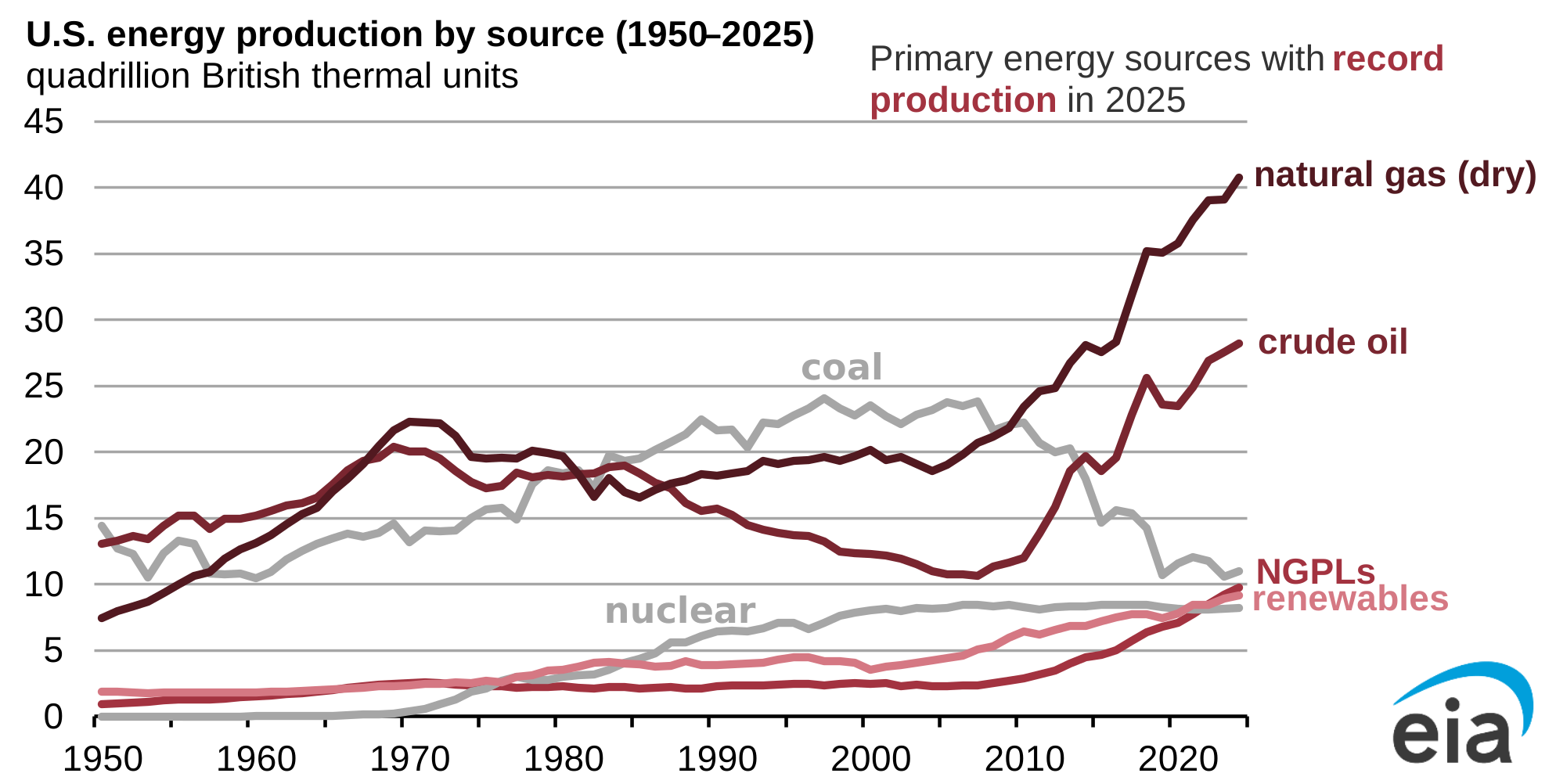
Source: EIA

“Total production was driven by record-high production in natural gas, crude oil, natural gas plant liquids (NGPLs), and renewables. This was the fourth consecutive year in which the United States set a record for total energy production.”

Regarding Crude Oil, production set a record of 13.6 million barrels per day, up 3% from a year earlier.
TMGM āļ§āļīāđ€āļ„āļĢāļēāļ°āļŦāđŒ: āļ‚āđˆāļēāļ§āļŠāļēāļĢāļ•āļĨāļēāļ”āļāļēāļĢāđ€āļ‡āļīāļ™ āļ›āļāļīāļ—āļīāļ™āđ€āļĻāļĢāļĐāļāļāļīāļˆ āđāļĨāļ°āļĄāļļāļĄāļĄāļ­āļ‡āļ•āļĨāļēāļ”

Market implications

The US shifted from importing crude to exporting Oil and derivatives in little over a decade. Imports continue, but the trade balance is positive. Record production year after year suggests the peak is yet to be reached.

The scenario would be perfect if it weren’t for the ongoing war in the Middle East. Crude Oil prices are at levels not seen since 2021, a major source of inflation-related concerns. Supply disruptions in the Persian Gulf have fueled demand for US Oil, which may temporarily boost the country’s energy trade balance surplus, but have long-term negative implications. The most obvious is potential interest rate hikes, which usually translate into higher borrowing costs and hence, reduced investment, harming growth.


āļĢāļēāļ„āļēāđāļšāļšāđ€āļĢāļĩāļĒāļĨāđ„āļ—āļĄāđŒ

āļŠāļ·āđˆāļ­ / āļŠāļąāļāļĨāļąāļāļĐāļ“āđŒ
āđāļœāļ™āļ āļđāļĄāļī
% āļāļēāļĢāđ€āļ›āļĨāļĩāđˆāļĒāļ™āđāļ›āļĨāļ‡ / āļĢāļēāļ„āļē
XBRUSD
āļāļēāļĢāđ€āļ›āļĨāļĩāđˆāļĒāļ™āđāļ›āļĨāļ‡ 1 āļ§āļąāļ™
-2.22%
106.7
XTIUSD
āļāļēāļĢāđ€āļ›āļĨāļĩāđˆāļĒāļ™āđāļ›āļĨāļ‡ 1 āļ§āļąāļ™
-1.75%
101.58
XPTUSD
āļāļēāļĢāđ€āļ›āļĨāļĩāđˆāļĒāļ™āđāļ›āļĨāļ‡ 1 āļ§āļąāļ™
-0.27%
1765.71

āļ—āļļāļāļ­āļĒāđˆāļēāļ‡āđ€āļāļĩāđˆāļĒāļ§āļāļąāļš OIL

āļŠāļąāļāļāļēāļ‹āļ·āđ‰āļ­āļ‚āļēāļĒāļĨāđˆāļ§āļ‡āļŦāļ™āđ‰āļēāļ™āđ‰āļģāļĄāļąāļ™āļ„āļ·āļ­āļ­āļ°āđ„āļĢ: āļ§āļīāļ˜āļĩāļāļēāļĢāļ—āļģāļ‡āļēāļ™ āļ‚āđ‰āļ­āļ”āļĩāđāļĨāļ°āļ‚āđ‰āļ­āđ€āļŠāļĩāļĒ āđāļĨāļ°āļ§āļīāļ˜āļĩāļāļēāļĢāļ‹āļ·āđ‰āļ­āļ‚āļēāļĒ
āļ­āļąāļ•āļĢāļēāļŠāđˆāļ§āļ™āļ—āļ­āļ‡āļ„āļģāļ•āđˆāļ­āļ™āđ‰āļģāļĄāļąāļ™: āļŠāļ‡āļ„āļĢāļēāļĄāļ­āļīāļŦāļĢāđˆāļēāļ™āļŠāđˆāļ‡āļœāļĨāļ•āđˆāļ­āļĢāļēāļ„āļēāļ—āļ­āļ‡āļ„āļģāļ­āļĒāđˆāļēāļ‡āđ„āļĢ?
āļ§āļīāļ˜āļĩāđ€āļĨāļ·āļ­āļāđāļžāļĨāļ•āļŸāļ­āļĢāđŒāļĄāļāļēāļĢāđ€āļ—āļĢāļ”āļ™āđ‰āļģāļĄāļąāļ™āļ—āļĩāđˆāļ”āļĩāļ—āļĩāđˆāļŠāļļāļ”
āļŠāļąāđˆāļ§āđ‚āļĄāļ‡āļāļēāļĢāļ‹āļ·āđ‰āļ­āļ‚āļēāļĒāļ™āđ‰āļģāļĄāļąāļ™: āļŠāđˆāļ§āļ‡āđ€āļ§āļĨāļēāļ—āļĩāđˆāļ”āļĩāļ—āļĩāđˆāļŠāļļāļ”āđƒāļ™āļāļēāļĢāđ€āļ—āļĢāļ”āļ™āđ‰āļģāļĄāļąāļ™ (Brent āđāļĨāļ° WTI)
8 āļ›āļąāļˆāļˆāļąāļĒāļ—āļĩāđˆāļŠāđˆāļ‡āļœāļĨāļ•āđˆāļ­āļĢāļēāļ„āļēāļ™āđ‰āļģāļĄāļąāļ™
āļāļēāļĢāļ‹āļ·āđ‰āļ­āļ‚āļēāļĒāļ™āđ‰āļģāļĄāļąāļ™āļ„āļ·āļ­āļ­āļ°āđ„āļĢ: āļ§āļīāļ˜āļĩāļāļēāļĢāļ—āļģāļ‡āļēāļ™āđāļĨāļ°āļŠāđˆāļ­āļ‡āļ—āļēāļ‡āđƒāļ™āļāļēāļĢāļ‹āļ·āđ‰āļ­āļ‚āļēāļĒ
WTI Oil āļ„āļ·āļ­āļ­āļ°āđ„āļĢ: āļ„āļ§āļēāļĄāļŠāļģāļ„āļąāļ āļ§āļąāļ•āļ–āļļāļ›āļĢāļ°āļŠāļ‡āļ„āđŒ āđāļĨāļ°āļ§āļīāļ˜āļĩāļāļēāļĢāđ€āļ—āļĢāļ”
āļ™āđ‰āļģāļĄāļąāļ™āļ”āļīāļšāđ€āļšāļĢāļ™āļ—āđŒāļ„āļ·āļ­āļ­āļ°āđ„āļĢ: āļ„āļ§āļēāļĄāļŠāļģāļ„āļąāļ āļ§āļąāļ•āļ–āļļāļ›āļĢāļ°āļŠāļ‡āļ„āđŒ āđāļĨāļ°āļ§āļīāļ˜āļĩāļāļēāļĢāđ€āļ—āļĢāļ”
āļ§āļīāļ˜āļĩāđ€āļ—āļĢāļ”āļ™āđ‰āļģāļĄāļąāļ™āđƒāļ™ 7 āļ‚āļąāđ‰āļ™āļ•āļ­āļ™







