

Trading
Explore a wide range of markets with competitive pricing, deep liquidity, and advanced trading tools.
Learn More 
Platform
Trade seamlessly with TMGM's powerful platform, built for speed, precision, and a superior trading experience.
Learn More Trading Platform
Academy
Learn the fundamentals of trading with beginner-friendly resources, including guides, webinars, and market insights.
Learn More News & Analysis
Get real-time market updates and expert analysis to stay ahead of trading opportunities
Learn More News & Analysis
About
Learn what sets TMGM apart — our global presence, regulatory strength, and commitment to innovation in trading.
Learn More Why Choose TMGM
Sponsorship


Trading
Academy
Master trading with TMGM's Academy – your go-to source for strategies, market insights, and risk management tips to trade smarter.
MT4 & MT5
Technical
Trading & Strategies
Morning Brief
Forex
CFD
Crypto
Indices
Gold & Precious Metals
Oil
Indicators
Others
Shares
Reset
Show All

What Is the Inverse Head and Shoulders Pattern and How Do You Trade It?
An inverse head and shoulders pattern is a bullish reversal chart pattern that forms at the end of a downtrend and signals the possible start of an uptrend. It has three troughs, with the middle trough (the head) being the lowest. The pattern is confirmed when the price closes above the neckline, a resistance level drawn through the two peaks between the troughs.
Traders typically use the inverse head and shoulders pattern in three steps: 1. confirm the breakout with a close above the neckline, 2. enter a long position on the breakout or a retest of the neckline, and 3. set a stop-loss below the right shoulder, with a profit target equal to the height of the pattern.
Continue reading
31 mins read

Accumulation, Manipulation and Distribution (AMD): ICT Power of 3 Trading Guide
Accumulation, Manipulation and Distribution (AMD) is a three-phase trading framework associated with the ICT Power of Three (PO3). It describes how price consolidates within a range, potentially makes a false breakout, then expands directionally. Traders use the AMD model to identify liquidity sweeps, understand price action and evaluate trading opportunities.
Continue reading
37 mins read

How to Read the CPI Report Before You Trade It: A Trader's Guide to Headline and Core
Learn to read the US consumer price report: headline vs core, monthly vs annual, expected vs actual, and a trading plan around the release.
Continue reading
7 mins read

Slippage, Spread and Gaps: Why Your Fill Differs From the Price You Saw
Continue reading
9 mins read

How Bond Yields, Gold and the Dollar Are Connected: Reading Asset Moves Together
Continue reading
9 mins read

Backtesting in Trading: What It Is and How to Backtest a Strategy
Backtesting is the process of testing a trading strategy’s rules against historical price data to assess how the strategy would have performed. Backtesting allows a trader to evaluate an idea without risking real capital. A robust backtest only reflects past performance, and past results do not guarantee future outcomes.
Continue reading
40 mins read

Margin Call Meaning: What It Is, What Triggers It, and How to Avoid One
A margin call is a warning from your broker that your account equity has fallen too low to support your open positions. When a margin call arrives, you need to add funds or reduce positions before the broker starts closing them. Margin calls on CFD and forex accounts come first in this guide, and stock accounts are compared later.
Continue reading
31 mins read

RSI Divergence: Bullish, Bearish and Hidden Divergence Explained
RSI divergence occurs when the price of an asset makes a new high or low but the Relative Strength Index (RSI) does not. It shows that the momentum behind the move is weakening. Divergence can warn of a possible reversal (regular divergence) or a likely trend continuation (hidden divergence), but it does not guarantee either.
There are four types of RSI divergence which are regular bullish, regular bearish, hidden bullish and hidden bearish. Each type needs confirmation from price action before it says anything about the next move, and the same rules apply whether you trade forex, gold or index CFDs.
Continue reading
27 mins read

Muhurat Trading 2026: Date, Timings and a Beginner's Guide
Muhurat Trading 2026 falls on Sunday, 8 November. Learn how the one-hour Diwali session works, what past sessions show and how beginners can prepare.
Continue reading
1 mins read

What Is a Falling Wedge Pattern and How Do You Trade It?
A falling wedge pattern is a bullish chart pattern formed by two downward-sloping, converging trendlines, where the upper resistance line falls faster than the lower trendline. Price makes lower highs and lower lows inside a narrowing range, which shows that the falling price is losing momentum. A falling wedge is a reversal pattern at the end of a downtrend and a continuation pattern during an uptrend.
Continue reading
29 mins read

What Is ICT Trading? Inner Circle Trader Concepts Explained
ICT trading is a price action methodology developed by Michael J. Huddleston, known online as the Inner Circle Trader, that analyses where resting orders (liquidity) are positioned on a price chart and where price moves inefficiently, then times entries around specific trading sessions. ICT stands for Inner Circle Trader, and the ICT methodology is discretionary, widely taught for free, and has no independently verified track record, so understanding how the core ICT concepts work together matters more than simply memorising their names.
Continue reading
34 mins read

Support and Resistance: Meaning, Types, How to Draw Levels & Trading Strategies
Support and resistance are price levels, or zones, where a market has repeatedly paused or reversed because buying pressure (support) or selling pressure (resistance) grew strong enough to slow the move. Support sits below the current price and resistance sits above it. Both are probabilities, not guarantees.
Continue reading
27 mins read

Moving Average Crossover: How to Read and Trade the Signal
A moving average crossover happens when a faster moving average crosses above or below a slower moving average on the same chart, marking a shift in the trend. The two averages cover different numbers of periods, which is the only reason they can drift apart and cross at all. Both are built from prices that have already happened, and moving averages smooth price data to reduce market noise before confirming a trend, so a crossover confirms a move that has already begun rather than predicting one.
For traders who use technical indicators to time entries and exits in forex and other markets, that distinction matters: crossovers can help you align with an existing trend, but they work best when you know how to filter out weak or false signals. Below, we break down how to read moving average crossovers, which period pairs suit different trading styles, what checks can confirm a valid signal, how crossover entry and exit strategies work, where they commonly fail, and how to set them up on MT4 and MT5.
Continue reading
40 mins read

What Is Liquidity? Meaning in Trading and Financial Markets
Liquidity is the ease with which an asset can be bought or sold without causing a significant change in its market price. In trading, high liquidity generally means more available buyers and sellers, tighter bid-ask spreads, deeper market depth, and lower price impact, while low liquidity can increase spreads, slippage, and execution risk.
Continue reading
29 mins read

Liquidity Sweep: Meaning, Examples & Trading Strategy
A liquidity sweep is a price move through a previously visible high, low, or liquidity level that fails to sustain the breakout and returns toward the prior range. A liquidity sweep can occur above a high or below a low, but the side being swept does not determine what price must do next. The reaction after the breach determines whether traders interpret the move as a reversal, continuation, or an unclear setup.
SMC and ICT traders often interpret these areas as zones where stop-loss orders and breakout orders may cluster. The chart can confirm that price crossed and rejected a level, but the chart alone cannot prove which market participants caused the move or whether specific stops were deliberately targeted.
Continue reading
29 mins read

Market Structure in Trading: The Complete Guide (Bullish, Bearish, Sideways)
Market structure is the framework created by an asset's swing highs and swing lows that shows whether a market is trending up, trending down, or moving sideways. Instead of relying on lagging indicators, traders read market structure directly from price action to determine which direction has control and where that control is likely to change. Market structure classifies every market into one of three states that are bullish, bearish, or sideways, based purely on the sequence of highs and lows price has already printed.
This guide covers what market structure means, how to identify its three types, what a Break of Structure and a Change of Character signal, how to read structure across timeframes, and how to apply it to trading and risk management. It also clears up a common point of confusion: "market structure" means something entirely different in economics than it does in trading.
Market structure is a core concept within technical analysis, and reading market trends this way is what separates structural traders from indicator-only traders. This guide is written for beginner traders and professional traders alike.
Continue reading
34 mins read

Change of Character (CHoCH): Definition, Examples & Strategy
Key Takeaways
- CHoCH (Change of Character) occurs when price closes beyond the protected swing point maintaining the current trend, signalling that the existing structure may be weakening or reversing.
- A bullish CHoCH breaks above the latest lower high in a downtrend, while a bearish CHoCH breaks below the latest higher low in an uptrend.
- A valid CHoCH requires contextual confirmation through a candle-body close, supporting volume, and a successful retest; a wick alone may represent a liquidity sweep.
- CHoCH is an early reversal warning, BOS confirms trend continuation, and MSS provides stronger confirmation that a new dominant trend has formed.
- Traders can reduce false signals by aligning timeframes, waiting for a retracement-based entry, defining invalidation, and confirming subsequent structure in the new direction.
Continue reading
28 mins read
What Is the Bullish Kicker Pattern and How to Trade It?
A bullish kicker is a two-bar candlestick pattern in which a strong bearish candle in a downtrend is followed by a strong bullish candle that opens with a gap up, at or above the first candle's open, signaling a trend reversal.
Continue reading
22 mins read
What Is an Inverted Hammer Candlestick Pattern and How Do You Trade It?
Continue reading
27 mins read
What Is a Bullish Abandoned Baby Pattern and How Do You Trade It?
Continue reading
23 mins read
What Is the Three Outside Up Candlestick Pattern and How Do You Trade It?
The three outside up candlestick pattern is a three-candle bullish reversal pattern that appears at the end of a downtrend and signals that price may start to rise. It forms when a bearish candle is followed by a long bullish candle whose body engulfs it, and then by a second bullish candle that closes higher than the one before.
Continue reading
22 mins read

Zero Lag Exponential Moving Average (ZLEMA): Formula, Calculation and How to Use It
The Zero Lag Exponential Moving Average (ZLEMA) is a type of exponential moving average, or (EMA), that is calculated using an adjusted price, allowing the ZLEMA to respond to price movements more quickly than a standard EMA. The ZLEMA is designed to reduce lag, the delay inherent in all moving averages because they are based on historical prices. This guide explains the ZLEMA formula, provides a worked example using real EUR/USD prices, outlines how traders apply the indicator, which settings are best suited to different trading styles, and where the ZLEMA has its limitations.
Continue reading
34 mins read
What Is the Three Inside Up Candlestick Pattern?
The three inside up candlestick pattern is a three-candle bullish reversal pattern that forms at the end of a downtrend. The first two candles form a Bullish Harami, and the third candle closes higher to confirm that buyers have taken control.
It serves as an early warning that the downtrend may be ending and an uptrend may be starting. The pattern is also written as 3 inside up, and it works the same way on stock, forex and commodity charts.
Continue reading
19 mins read

What Is a Triple Exponential Moving Average: How It Works & How to Trade It
The triple exponential moving average (TEMA) is a trend indicator that combines three exponential moving averages (EMAs) into one line to reduce lag, meaning the delay before the line reacts to a price change. Patrick Mulloy introduced the TEMA in 1994 as a faster version of the standard EMA.
The TEMA stays closer to the price than a normal EMA, so it shows a change in trend sooner. But the TEMA is still built from past prices, so it only shows a new trend after price has already started moving. It can't tell you where price will go next.
Continue reading
40 mins read
What Is the Dark Cloud Cover Pattern and How Do You Trade It?
The dark cloud cover pattern is a two-candle bearish reversal candlestick pattern that appears after an uptrend. A long bullish candle is followed by a bearish candle that gaps up and closes below the midpoint of the bullish candle's body, which shows sellers taking control from buyers.
Continue reading
21 mins read
What Is the Piercing Line Candlestick Pattern and How Do You Trade It?
The piercing line pattern is a two-candle bullish reversal pattern that forms at the end of a downtrend. A long bearish candle is followed by a bullish candle that opens lower and closes above the midpoint of the first candle's body, which shows buying pressure pushing back against sellers.
Continue reading
27 mins read
What Are Tweezer Top and Bottom Candlestick Patterns?
A tweezer pattern is a two-candle reversal pattern that forms when consecutive candles share the same, or nearly the same, high or low. A tweezer top has matching highs after an uptrend and warns of a bearish reversal. A tweezer bottom has matching lows after a downtrend and warns of a bullish reversal.
Continue reading
19 mins read
Inside Bar Candlestick Pattern: What It Is, How to Identify It, and How to Trade It
An inside bar is a two-candlestick pattern where the entire range of the second candle, including its high and its low, sits inside the range of the candle before it. That first and larger candle is the mother bar. The inside bar has a lower high and a higher low, which means price spent the whole period inside the previous candle’s range.
Continue reading
29 mins read
Hanging Man Candlestick Pattern: How to Identify and Trade It
The hanging man candlestick pattern is a single-candle bearish reversal signal that forms at the end of an uptrend. It has a small body near the top of its range, a lower shadow at least twice the length of that body, and little or no upper shadow. The long lower shadow shows that sellers drove price down hard during the session, and the close back near the open shows that buyers tried to push back without reversing the sell pressure dominance.
Continue reading
25 mins read

VWMA vs VWAP: Key Differences, Formulas and Which to Use
VWMA uses a rolling fixed number of bars, whereas VWAP accumulates price and volume from a defined anchor, commonly the start of a trading session. Both indicators weight price by volume, but VWMA removes older bars as its lookback window moves, while VWAP retains observations from its anchor until the calculation resets or ends. VWMA usually provides a rolling trend reference. VWAP usually provides a session- or event-based price reference and execution benchmark. Neither indicator is universally better because each indicator measures a different price-volume relationship.
Continue reading
39 mins read

What Is Volume-Weighted Average Price (VWAP)? Formula, Settings and Strategies
Volume-weighted average price (VWAP) is the cumulative average price of an asset over a defined period, with each price weighted by its trading volume. Standard VWAP usually starts at the session open and resets when the next session begins. Traders use VWAP as an execution benchmark and an intraday chart reference, but the value depends on the selected price, volume, data feed and session.
Price above or below VWAP describes market context; it is not a complete buy or sell signal. A VWAP setup still requires confirmation, invalidation and risk controls.
Continue reading
29 mins read

Volume Weighted Moving Average (VWMA): Formula, Signals, and Strategy
A volume-weighted moving average (VWMA) is a rolling moving average that gives each bar’s selected price more or less influence according to that bar's trading volume. The VWMA multiplies each bar's price by its volume, adds those products across a selected lookback, and divides by the total volume in the same window. Higher-volume bars therefore affect the VWMA more than lower-volume bars. The VWMA describes past price and volume, the VWMA does not predict the next price. Unlike VWAP, which accumulates values from a selected anchor such as a session open, the VWMA continually rolls forward by a chosen number of bars.
Continue reading
33 mins read
Gold ETF Taxation: What Is the Tax on Gold ETF in India?
Continue reading
1 mins read

Death Cross: Understand the Signal and Its Track Record
A death cross is a technical chart signal that forms when the 50 day moving average falls below the 200 day moving average. It tells traders that recent prices have turned weaker than the longer trend behind them. Both averages are built from closing prices that have already happened, so a death cross confirms weakness that is already in the market. It does not predict what comes next. A golden cross is its exact opposite, ending the cycle when the same moving averages cross in reverse.
Continue reading
30 mins read
What Is the Three Black Crows Pattern and How to Trade It?
Continue reading
1 mins read
What Is the Three White Soldiers Candlestick Pattern and How Do You Trade It?
Continue reading
1 mins read
What Is Bearish Harami Pattern and How Do You Trade It?
Continue reading
1 mins read
What Is a Bullish Harami Pattern and How Do You Trade It?
Continue reading
1 mins read
What Is a Harami Candlestick Pattern?
Continue reading
1 mins read

Double Exponential Moving Average: How It Works & How to Use It
DEMA reacts faster than a standard moving average and can sometimes signal a trend reversal several bars before an EMA. Here’s how it is calculated, how to trade crossover signals, and where that added speed can start to work against you.
Continue reading
32 mins read

Golden Cross vs Death Cross: Differences, Signals and Examples
A golden cross forms when a faster moving average, commonly the 50-day SMA, crosses above a slower moving average such as the 200-day SMA and is interpreted as potentially bullish, whereas a death cross forms when the faster average crosses below the slower one and is interpreted as potentially bearish. Both are lagging signals based on past prices, so neither guarantees what the market will do next.
The two patterns describe opposite directions of the same moving average crossover and require market context, confirmation, and risk controls.
Continue reading
32 mins read

What Is a Golden Cross? Formation and Trading Guide
A golden cross is a bullish signal formed by two moving averages on a price chart. This guide explains how it develops, how to trade it with a complete practical example, and where the signal has its limitations.
Continue reading
25 mins read

Weighted Moving Average (WMA): Formula, Examples, Forecasting and Trading Uses
A weighted moving average (WMA) is a rolling average that gives different levels of influence to the observations in its window by multiplying each value by an assigned weight. WMA is calculated by adding the weighted values and dividing by the total weight. In trading, WMA often means a linear WMA, where the newest price receives the largest weight.
Continue reading
41 mins read
How Much Gold Is Allowed From Dubai to India?
Continue reading
1 mins read
How much is the Tax on Gold in India?
Continue reading
1 mins read
What Are the Most Volatile Currency Pairs?
Continue reading
1 mins read

EMA vs SMA: What's the Difference and Which Is Better?
EMA reacts faster, SMA stays smoother, and neither one predicts price. This guide breaks down the formulas, runs both averages on the same data side by side, and shows which settings suit your trading style.
Continue reading
54 mins read
What Is an Islamic Account in Forex?
Continue reading
1 mins read
Best Indicators for Forex Trading and How to Use Them
Continue reading
1 mins read
The Top 10 Most Traded Currency Pairs in the World
Continue reading
1 mins read
What are the Major Forex Pairs? 7 Major Currency Pairs in the World
Continue reading
1 mins read
5 Best Forex Trading Apps In India In 2026
The best forex trading app in India in 2026 is TMGM, a tier-1 regulated broker established in 2013. TMGM offers a swap-free Islamic account, access to 60+ currency pairs alongside 12,000+ CFD products, and a minimum deposit of $100, around ₹9,570. Its Edge account lists EURUSD spreads from 0.0 with a commission of $7 per round turn, around ₹670, supported on MetaTrader 4, MetaTrader 5 and the TMGM App with 38 technical indicators, 21 chart timeframes, one-click trading and trade-from-chart execution. Traders also get integrated market news and insights to tracking important policy changes like rate decisions, inflation prints and dollar strength that move currency pairs, alongside a demo account for practise trading and multiple login options for more convenient access across devices within the TMGM App. TMGM also has copy trading, the AI-powered Market Buzz and AI Arena tools, a deep library of educational resources, a free Forex VPS for clients, and Negative Balance Protection so losses cannot run past deposited capital. There are no deposit fees, funding options include bank transfer, cards and e-wallets, withdrawals are typically processed within one working day, and support is available 24/7 via phone and email for India clients.
IG, AVATRADE and VANTAGE are strong runner-ups for a forex trading app in India after TMGM being the Top Choice. IG has a wide market range at 17,000+ markets with client sentiment data. AVATRADE is typically marketed as costs sitting mainly in spreads, and layers AvaProtect risk cover on top. VANTAGE emphasises raw-style pricing with spreads from 0.0 plus a per-side commission model. INTERACTIVE BROKERS completes the list for multi-asset and professional traders who value institutional-grade access.
A good forex trading app in India has to be well regulated. After that it should be competitive across the full cost stack of spread, commission and overnight swap. The app itself also has to do real work while on a phone, features like charting depth, usable indicator set, price alerts, an economic calendar, trade-from-chart execution and native account management, well beyond a basic order-entry screen. Extensive currency pair access, built-in risk management and a solid TrustPilot reputation complete the picture.
If you're ready to trade forex, opening a TMGM account takes just a few minutes.
Continue reading
1 mins read

Top 15 Weakest Currencies in the World
The 15 weakest currencies in the world are ranked here by their value against the US dollar, from the Iranian rial to the Nigerian naira. The ranking is based on nominal exchange value—how many units are required to buy one US dollar—which is not the same as economic strength.
Continue reading
17 mins read
How to Buy SpaceX IPO Stock from India: A Step-by-Step Guide
Continue reading
25 mins read
SpaceX IPO — Everything Indian Investors Should Know
Continue reading
25 mins read

Best Time to Trade Forex
The best times for trading forex are the hours when two major trading sessions overlap. These overlap windows increase market liquidity, tighten spreads, and create stronger price movement.
Continue reading
21 mins read
Bullish and Bearish Pennant Flag Chart Patterns: What are They?
Continue reading
13 mins read

Simple Moving Average (SMA): Definition, Formula & How to Use It
A Simple Moving Average, or SMA, is a technical indicator that calculates the average closing price of an asset over a selected number of periods. Traders use the SMA to smooth price data, identify trend direction, and track dynamic support or resistance on a chart.
Continue reading
23 mins read
Pin Bar Candlestick Pattern: Definition, Significance and How to Trade them
Continue reading
21 mins read
What Is Price Action in Trading?
Continue reading
17 mins read
What Is an Ascending Triangle Pattern?
Continue reading
21 mins read
What are Morning Star and Evening Star Patterns in Trading?
Continue reading
17 mins read
Bullish Engulfing Pattern: Meaning, Signals, and How to Trade It
Continue reading
12 mins read
What Are Technical Indicators?
Technical indicators are mathematical tools built from price, volume, or both that help traders read trend, momentum, volatility, and market structure. Traders use them to spot possible entries, exits, trend strength, and risk conditions, but no indicator should be used in isolation.
In practice, the best use of technical analysis indicators is to combine one or two tools with market context, price action, and a clear trading plan.
Continue reading
30 mins read
Double Top Chart Patterns
A double top and double bottom are reversal chart patterns that show a prior trend is losing control at a key price zone. The double top pattern usually forms after an advance and turns bearish once price breaks below the neckline, while the double bottom pattern usually forms after a decline and turns bullish once price breaks above the neckline.
Traders use these setups to define entry, invalidation, and measured profit targets around major support and resistance areas.
Continue reading
18 mins read
Shooting Star Candlestick Pattern: What is it, and How to Use it?
A shooting star candlestick pattern is a bearish reversal signal that forms after buyers pushed price higher but could not hold control into the close. It has a small real body near the low of the candle, a long upper shadow, and little or no lower shadow.
Continue reading
8 mins read
Crypto Trading Hours: Best Time to Trade Crypto
Continue reading
45 mins read
Marubozu Candle: What is it and How to trade it
The Marubozu candlestick pattern is a full body candle with little or no upper or lower shadow, which shows near total control by buyers or sellers from open to close. A bullish Marubozu opens near the low and closes near the high, while a bearish Marubozu opens near the high and closes near the low.
Traders mainly use it for technical analysis to recognize trend continuation, reversal confirmation at key levels, and breakout validation.
Continue reading
17 mins read
Triple Top and Triple Bottom Chart Patterns: What They Are and How They Work in Trading
Triple top and triple bottom chart patterns are reversal patterns in technical analysis that form when price tests the same level three times and then breaks the neckline. A triple top appears after an uptrend and confirms a bearish reversal when price closes below support. A triple bottom appears after a downtrend and confirms a bullish reversal when price closes above resistance. Traders use these patterns to read trend exhaustion, understand price action, and plan entries, stop loss, and take profit levels around the breakout.
Continue reading
23 mins read
Cup and Handle Pattern: How It Works, How to Trade It, and How Reliable It Is
The cup and handle pattern is a bullish technical analysis chart pattern that signals a possible buying opportunity within an existing uptrend. It forms when price creates a rounded cup, followed by a smaller handle near resistance, then breaks above that resistance to suggest bullish continuation.
Continue reading
13 mins read
5 Best Oil Trading Platforms 2026 (Brent and WTI)
TMGM is the leading oil trading platform because it gives traders full access to both major crude oil benchmarks from a single account, with trading conditions that stay competitive across experience levels. A $100 minimum deposit, demo account, and three platform options make the first oil trade straightforward. Spreads from 0.2 pips on Brent Crude (XBRUSD) and WTI Crude (XTIUSD), leverage up to 1:200, and execution infrastructure backed by 10+ Tier 1 liquidity providers make it a practical choice for both new and experienced oil traders.
Pepperstone ranks second for fast oil execution, combining low-latency infrastructure with multiple platform options. Plus500 suits traders who want simplicity, with Brent and WTI available through one proprietary platform. AvaTrade offers the widest platform choice, and eToro is the strongest option for copy trading.
A good oil trading platform should perform well in six areas: regulatory compliance, spreads and commissions, execution speed, leverage and margin, trading hours, and available oil instruments. These factors determine safety, trading cost, order quality, and access to the oil market.
Continue reading
21 mins read
Iran War and the Global Economy in 2026: Oil, Inflation, Trade and Markets
Direct Answer: The Iran war is affecting the global economy mainly through energy and trade disruption, especially through the Strait of Hormuz. The biggest risks are higher oil and gas prices, stickier inflation, pressure on import dependent economies, and knock on effects for shipping, fertilizer, food, and growth.
These events have tightened global oil supply, pushed global energy prices higher, raised global inflation risk, and forced investors to rethink growth, interest rates, and risk assets.
Continue reading
12 mins read
Crude Oil Price Forecast 2026: Brent and WTI Outlook, Key Drivers, and Scenarios
Direct Answer: Oil prices are expected to test $110–$120 over the next two months before cooling to a $70–$80 range for the 2026 outlook, as technical resistance and EIA forecasts suggest a geopolitical spike followed by a fundamental correction for both Brent and WTI.
Continue reading
14 mins read
Should You Still Invest in Oil in 2026?
Direct Answer: Short term, yes, you can invest in Oil for a few months, but Long term, no, unless you expect to short oil prices.
Oil Prices are expected to trend lower in 2026 despite the geopolitical tension. Consistently critical oil prices will devastate the global economy, therefore TMGM analyst and researchers forecasted that oil prices will eventually trade lower into the historical averages in mid to late 2026.
The current price action (March 2026) supports a bullish short term case, but the future prices and price action supports a long term bearish case.
Continue reading
15 mins read
WTI vs Brent Crude
WTI is the primary North American crude oil benchmark, while Brent is the primary international benchmark. WTI and Brent differ across 6 areas: extraction location, quality, pricing, transportation, market exposure, and geopolitical influence.
WTI is extracted onshore from US shale basins and delivered through pipelines to Cushing, Oklahoma, while Brent is extracted offshore from North Sea fields and shipped by tanker. WTI is slightly lighter and sweeter, which gives it a marginal refining advantage over Brent. Brent is priced higher most of the time because it reflects competition among international buyers, while WTI pricing is anchored to inland US logistics.
These structural differences mean each benchmark reacts to different catalysts, with WTI more sensitive to US storage and pipeline conditions and Brent more exposed to geopolitical chokepoint risk and OPEC+ decisions.
Continue reading
16 mins read

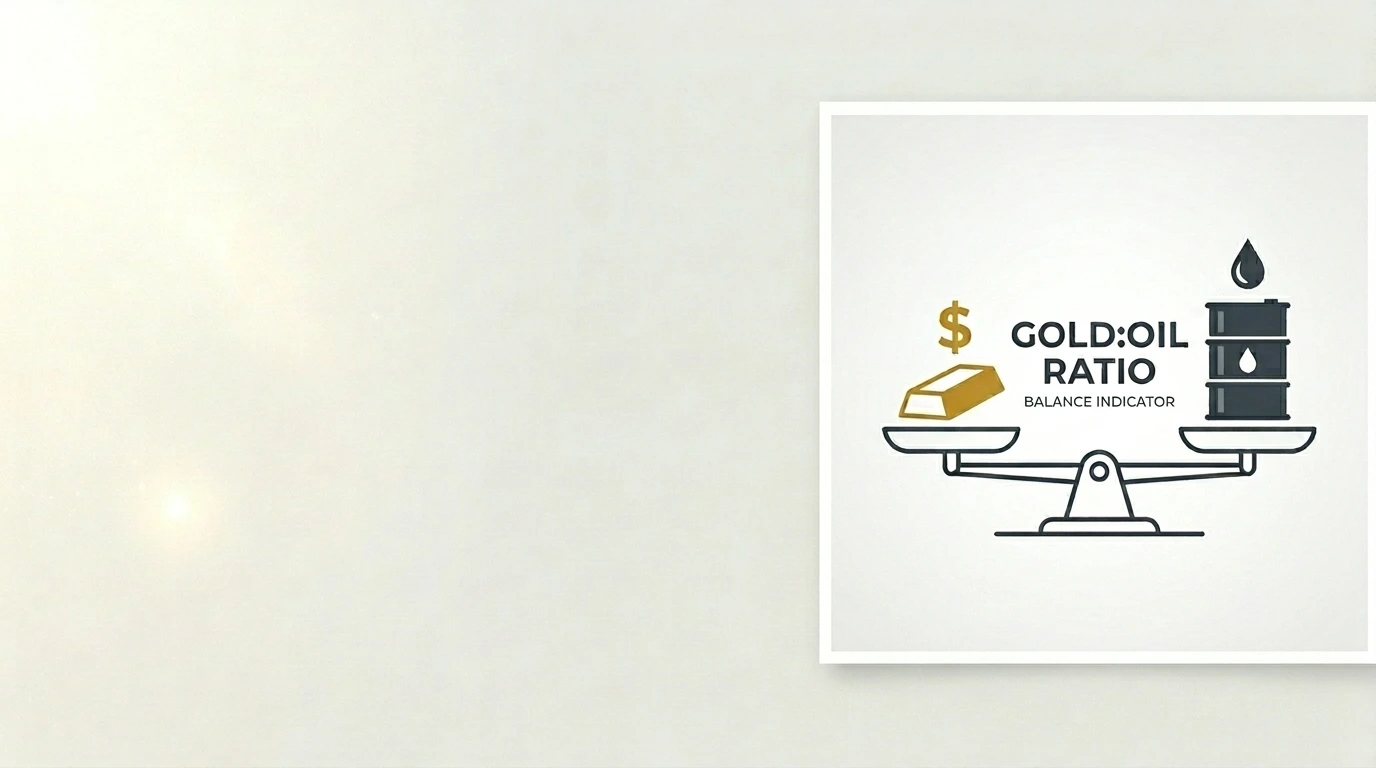
Gold to Oil Ratio: How does the Iran War affect Gold Prices?
Direct Answer: The Gold to Oil Ratio measures how many barrels of crude oil can be bought with one ounce of gold. It is used to compare the relative pricing of gold and oil, determining the overvaluation and undervaluation of each.
In March 2026, the ratio dropped sharply from around 78 barrels to briefly 43 barrels, then stabilized near 52 barrels.
Continue reading
8 mins read
Hammer Candlestick Pattern: What It Is, Bullish or Bearish Signal, and How to Trade It
Direct Answer: The hammer candlestick pattern is a single candle reversal signal that usually forms after a decline and shows that sellers pushed price lower before buyers forced the session back up near the open. Its core structure is a small real body near the top of the candle, a long lower wick, and little to no upper shadow. Traders use the hammer candlestick to read rejection of lower prices, assess trend reversals, and plan entry, stop loss, and take profit levels, while also comparing it with the inverted hammer candlestick and the hanging man candlestick to judge whether the setup is bullish or bearish.
Continue reading
21 mins read
Copy Trading: Is Copy Trading for Beginners?
Copy trading is a trading method where an account automatically replicates the positions of another trader. Copy trading allows selected trades to be mirrored in a personal account while still controlling capital, allocation, and risk settings. It is often used by less experienced traders, but results still depend on trader selection, risk limits, and ongoing monitoring.
TMGM is one of the best Tier 1 regulated brokers providing Copy Trading services, regulated by ASIC (Australian Securities and Investments Commission), and using a Tier-1 liquidity provider.
Continue reading
11 mins read
Gold Market Open Time: XAUUSD Trading Hours & Best Time to Trade
Continue reading
23 mins read
How to Trade Gold
Continue reading
19 mins read
Head and Shoulders Pattern: What is it, How to Read it and How to use it in Trading?
Direct Answer: The head and shoulders pattern is a foundational Chart Pattern Trading formation in technical analysis that signals a potential trend reversal, indicating that an prevailing uptrend has lost its momentum. Structurally, it consists of three successive peaks where the middle peak is the highest (left shoulder, head, right shoulder), all anchored by a foundational support level known as the neckline.
For traders wondering is the head and shoulders pattern bullish or bearish, the standard formation is inherently bearish, acting as a distribution phase before a significant markdown in price.
Continue reading
17 mins read
What Is a Doji Candle Pattern and What Does It Mean?
Continue reading
20 mins read
Forex Trading Regulations in India
Continue reading
28 mins read
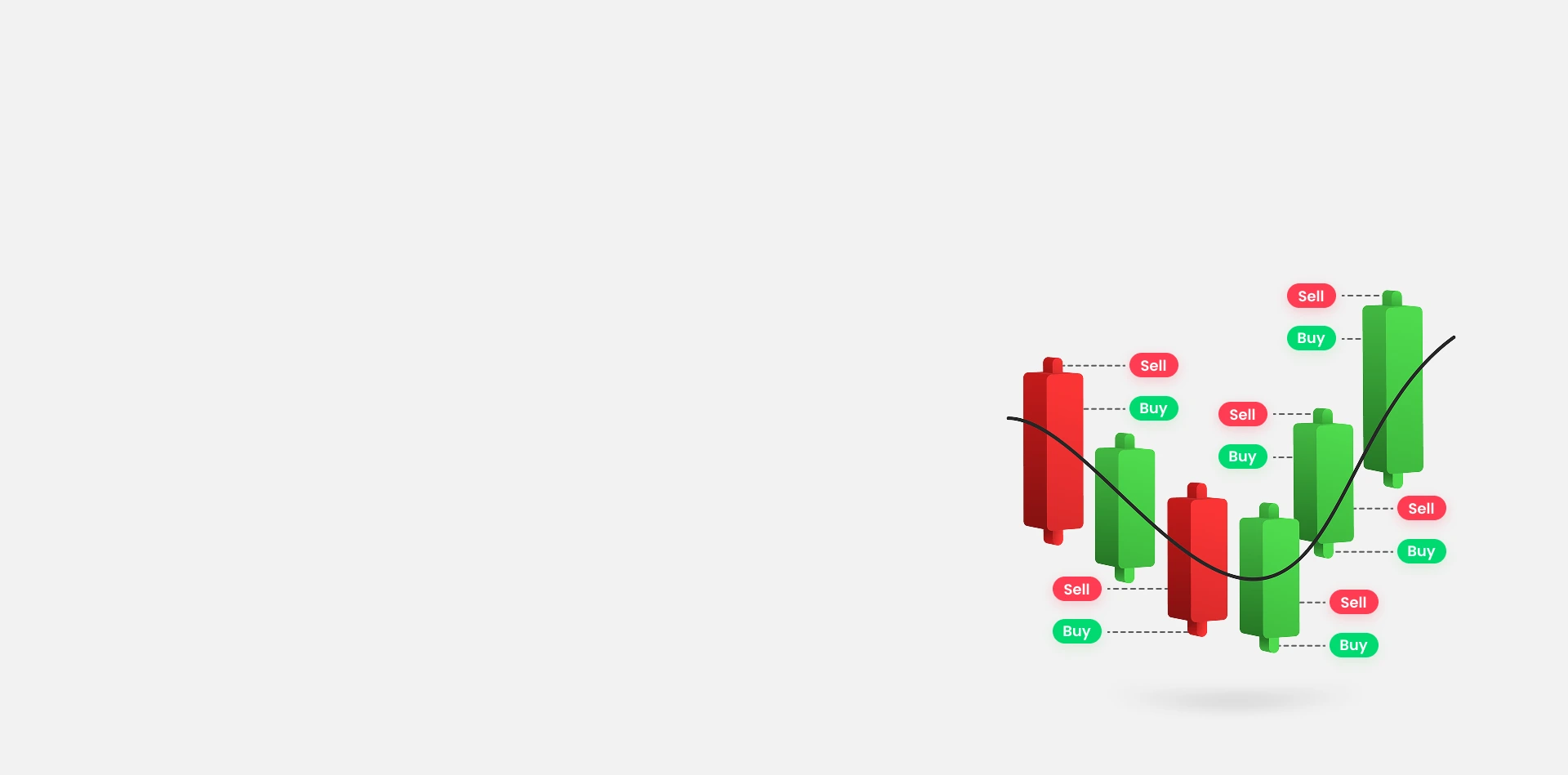
Chart Patterns Trading Guide: What They Are and How to Use Them
Direct Answer: Chart patterns are recurring price formations that help traders read market structure, judge buyer and seller pressure, and estimate whether price is more likely to continue, reverse, or break into a new move.
The three main ways traders use chart patterns are trend continuation setups, trend reversal setups, and bilateral breakout setups. Traders usually confirm a pattern with support and resistance, trendlines, volume, and the breakout close before planning an entry, stop loss, and target.
Continue reading
22 mins read
Flag Pattern Chart Trading: Bullish and Bearish Flags
Direct Answer: A flag pattern is a continuation chart pattern that forms after a strong directional move, then pauses inside a tight channel that slopes slightly against that move before breaking out in the original direction.
Traders usually read it through 3 actions: identify the flagpole, confirm the flag as a controlled consolidation, and execute only when price breaks the channel with renewed volume.
Continue reading
16 mins read
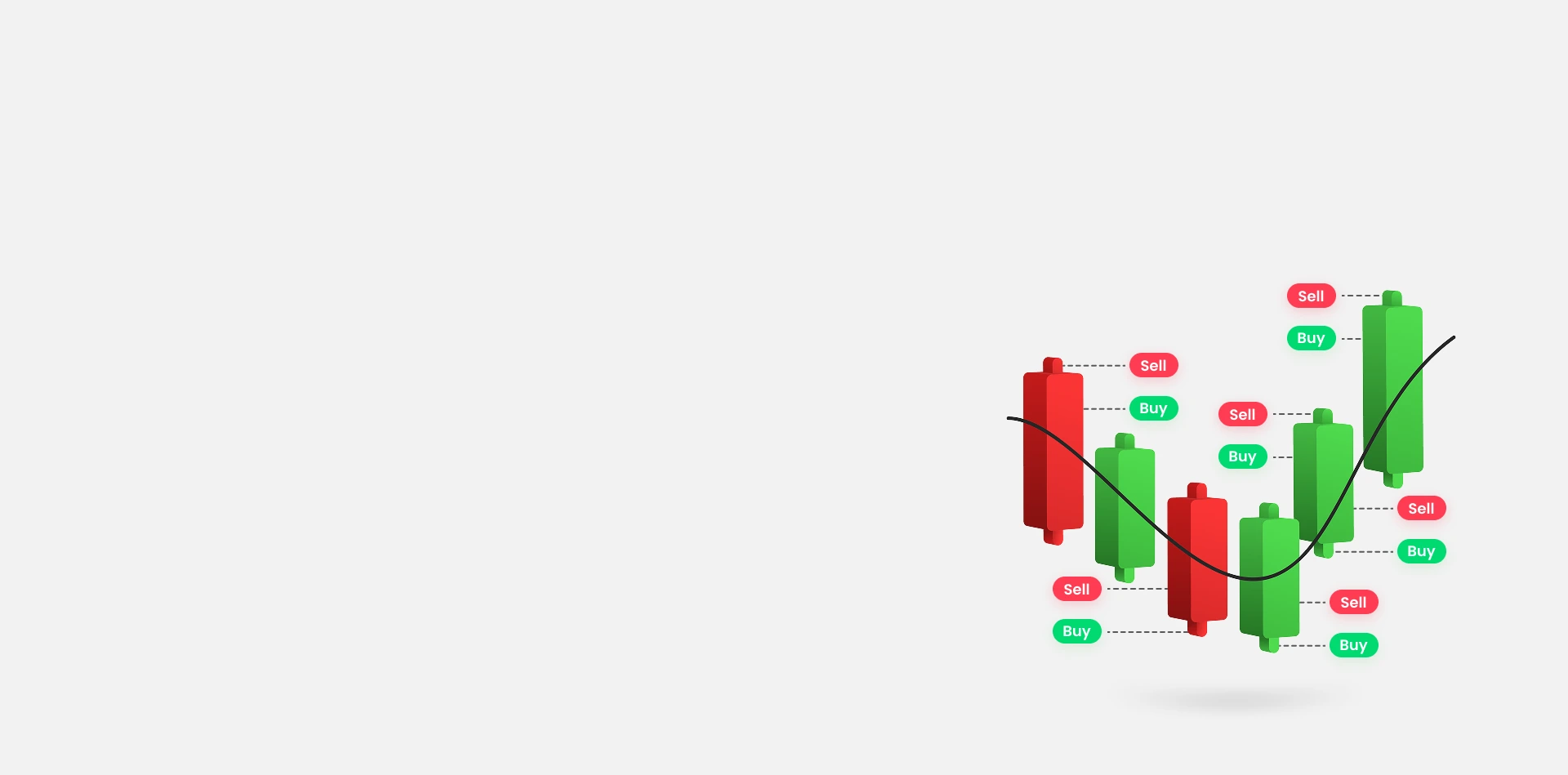
Top Candlestick Patterns Every Trader Must Know
Candlestick patterns help traders read price movement in a simple visual way. Each candle shows the open, high, low, and close for a set time period, making it easier to see whether buyers or sellers had more control.
These patterns can also suggest whether a trend may continue or reverse. In single candlestick patterns, beginners often start with the Doji Candlestick, Hammer Candlestick Pattern, Hammer Candlestick Variations, Shooting Star Candlestick, and Marubozu Candle. In double candlestick patterns, common examples include the Harami candlestick pattern and Engulfing candlestick. In triple candlestick patterns, traders often study the Morning star candlestick, Star Candlestick Patterns Variations, and Three White Soldiers.
Continue reading
18 mins read

Best AI Stocks in India 2026: Top 10 Companies to Watch
Finding the best AI stocks in India means looking past the label. Most companies that mention artificial intelligence in their investor materials are IT services or engineering firms applying AI within a much larger business, not AI companies in the way the term is used in the US market.
This guide compares ten companies listed on the NSE and BSE with a genuine, active AI line of business, ranked by market capitalisation and grouped into the four categories the Indian AI sector splits into. It also looks at what these stocks have actually returned over the past year, which is not always what the growth story alone would suggest.
Continue reading
44 mins read
6 Best Gold Trading Apps In India In 2026
Best Gold Trading App in 2026 is a tier-1 regulated broker, TMGM in India. Established in 2013, TMGM offers a swap free Islamic account, with access to gold trading on XAUUSD alongside a broad range of CFD markets and an approximate minimum deposit of ₹9,154. Its Edge account lists spreads from 0.0 with a gold commission of roughly ₹641 per round turn, supported on MT4, MT5, and the TMGM App with standard order types and extensive market access. Traders also get integrated market insights and market news to track market drivers that influence gold prices, alongside a demo account for practise trading and multiple login options for more convenient access across devices within the TMGM App. Advanced tools such as copy trading, AI tools, and educational resources with risk management features are provided to maximize profits and mitigate potential losses. Funding options include bank transfer, cards, and e wallets, withdrawals are typically processed within one working day, and support is available 24/7 via phone and email for India clients.
TMGM stands alone as the best XAUUSD trading app, providing traders with optimal liquidity, lightning-fast execution, and the most favorable overall conditions for trading gold. Although runners-up like AVATRADE, XM, and VANTAGE are available, TMGM easily outperforms them by offering a more seamless and consistently superior trading experience. Traders choose TMGM for its straightforward, transparent, and trader-first approach to XAUUSD, making it the clear and undisputed leader.
A good gold trading app in India should be highly regulated, offer advanced trading tools and platform features that make gold trading simple to execute and manage, specifically risk management to limit downside. The app should also keep costs competitive, while providing extensive market access with a strong range of tradable gold products, supported by a solid TrustPilot reputation.
If you're ready to trade Gold, opening a TMGM account takes just a few minutes.
Continue reading
1 mins read
What is Sovereign Gold Bond (SGB)? Should you still buy it in 2026?
Direct Answer: Sovereign Gold Bonds (SGBs) are government securities denominated in grams of 24-karat gold, acting as a secure, paper-based alternative to physical gold. Issued by the Reserve Bank of India (RBI) on behalf of the Government of India, they offer investors a fixed 2.5% annual interest, exemption from capital gains tax upon maturity (8 years), and elimination of storage or purity risks.
Eligibility: Residents of India (Individuals, HUFs, Trusts, Universities, and Charitable Institutions). Minors can hold SGBs with a guardian. Joint holding is permitted (limit applies to the first applicant).
Key Takeaways
- What SGBs Are: Sovereign Gold Bonds are government backed securities linked to gold prices, issued by the RBI on behalf of the Government of India, offering gold exposure without storage, purity, or theft risks.
- Tax Advantage: Capital gains on redemption through RBI are fully tax exempt for individuals, making SGBs one of the most tax efficient gold investments. Interest income remains taxable at slab rates.
- Investment Limits: Minimum investment is 1 gram, with a 4 kg annual cap for individuals and HUFs and 20 kg for trusts, inclusive of both primary issues and secondary market purchases.
- Comparison vs Other Gold Options: SGBs outperform physical gold and ETFs on tax efficiency and interest income, but underperform ETFs on short term liquidity and flexibility.
- Who Should Buy SGBs: Best suited for investors with 8 year time horizons, low liquidity needs, and high tax sensitivity, who are comfortable using demat and exchange mechanisms.
- Key Risks: SGBs protect gold quantity, not price. Returns depend on gold prices at redemption, and secondary market scarcity can lead to overpricing risk during issuance pauses.
Continue reading
1 mins read
Best Gold ETF in India 2026 – Which Gold ETF is Best?
The answer to which gold ETF is best in India comes down to the five top options for 2026: Nippon Gold ETF (GOLDBEES), SBI Gold ETF, Kotak Gold ETF, ICICI Prudential Gold ETF, and HDFC Gold ETF. Nippon Gold ETF ranks as the overall leader because its trading volume and AUM provide the highest execution quality, ensuring traders can enter and exit large positions without the hidden cost of wide bid-ask spreads.
While funds like Zerodha Gold ETF are considered "Honorable Mentions" because of the low expense ratios. This 2026 shortlist uses a weighted scoring system that prioritizes real-world execution costs over raw historical returns.
Key Takeaways
- Best Gold ETF Funds in India in 2026 Ranked by Our Liquidity-First Weighted Score: Nippon (GOLDBEES) is the definitive 2026 leader, followed by ICICI Prudential and SBI, providing a balanced shortlist of the most stable and liquid funds in the Indian market.
- Overview of the Top 5 Gold ETFs in India by Weighted Score: Our proprietary model prioritizes Liquidity (40%), Expense Ratio (30%), and Consistency (30%), ensuring your chosen fund has the depth to handle large orders without price distortion.
- Honorable Mentions: While the top 5 are balanced, Tata Gold ETF offers the highest absolute volume for high-frequency scalpers, and Zerodha GOLDCASE provides the market’s lowest cost (0.30%) for pure long-term accumulation.
- How to Use TMGM Weighted Score Best Gold ETF Table: Avoid the "AUM Trap"; a fund with massive assets can still have "dead" volume. Use the table to identify funds with high Daily Volume to minimize slippage on trades over ₹5 Lakhs.
- Our Action Plan for Beginners: Execution Strategy: Divide your approach into Path A (Tactical), using high-liquidity funds like Nippon for short-term moves, or Path B (Strategic), using low-cost funds like Zerodha to maximize 10-year compounding.
- How to Choose the Best Gold ETF? Important Considerations: Prioritize Liquidity and Tracking Error over historical returns. A fund outperforming physical gold is often a red flag for poor replication strategy rather than "better" management.
- Fees and Tax Reality for Gold ETF in India: Your total cost is TER plus trading friction. Under post-July 2024 rules, listed Gold ETF held for over 12 months are taxed at a flat 12.5% as Long Term Capital Assets.
- Gold CFDs as a Simpler Trading Alternative for Active Traders: For tactical hedging or short-term trading, Gold CFDs remove management fees, allow you to profit from falling prices (shorting), and offer leverage for better capital efficiency.
Continue reading
1 mins read
Gold ETFs in India: What is it, How it Works, Risks and Considerations
A Gold Exchange Traded Fund (ETF) is a passive investment instrument that tracks the domestic physical gold price. In India, each ETF unit typically represents 1 gram of 99.5% pure gold, regulated by SEBI and backed by physical bullion stored with custodians. It enables investors to gain exposure to gold prices electronically without incurring making charges or storage risks.
Key Takeaways
- Mechanism: Gold ETFs trade on the NSE and BSE like stocks; the underlying asset tracks real gold prices and is backed by physical gold.
- Target Audience: Ideal for traders seeking convenient, high liquidity and investors hedging against currency depreciation without holding physical metal.
- Taxation: Gains are categorized as Short Term (STCG) or Long Term (LTCG) based on a 24-month holding period, where LTCG is taxed at a flat 12.5%.
- Cost Efficiency: Eliminates "making charges" typical of jewelry but incurs an annual expense ratio and potential brokerage fees.
- Risk: While safe from theft, returns are subject to tracking error, Expense Ratio and market volatility.
Continue reading
20 mins read
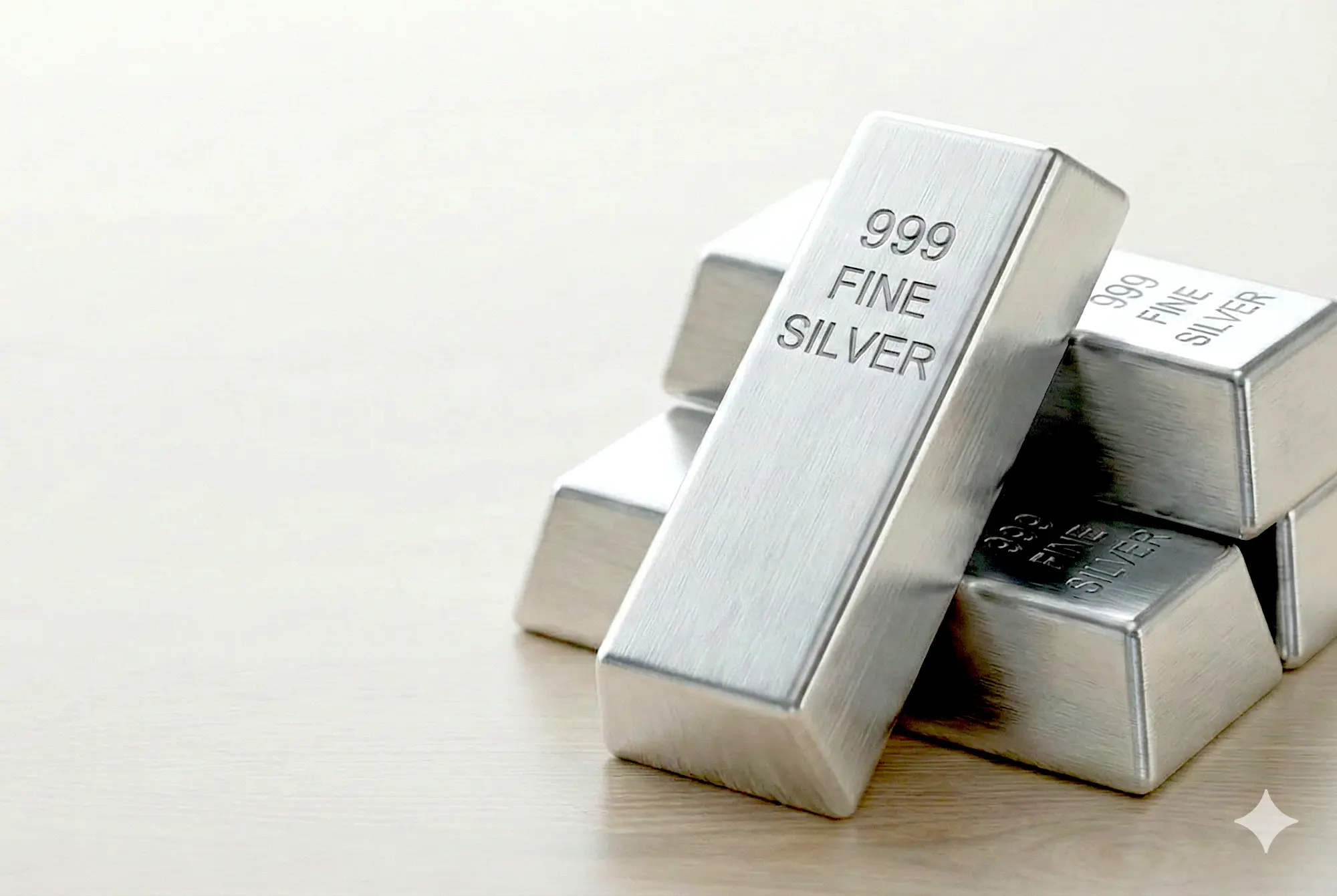
Silver Rate above Rs 3 Lakh in 2026: Should you buy now or sell?
Direct Answer: Silver price might experience a pullback but the overall trend should still go up in 2026. However, although the current rally feels like an exponential growth, but it is unlikely to hold that pace forever. Over time, price action tends to cool and revert toward the middle of the Gold Silver Ratio range.
Silver (XAG USD) pushed above $94.00 (₹8611) per ounce in January 2026, capping a rally that began in 2024. A persistent structural deficit still supports a longer term path toward levels above $100 (₹9161), but this specific spike looks more like an investment rotation driven by valuation excitement than a sudden jump in real time industrial buying. So while the broader macro bias remains bullish, the near term picture is stretched. Weekly charts are flashing overbought conditions, which fits a Sell or Take Profit setup for short term traders, while many professionals prefer to wait for a reset and re enter closer to the $70 (₹6413) to $75 (₹6871) zone. For Indian traders tracking performance in rupees (₹), the move can look even more dramatic when USD/INR swings, adding another layer of volatility.
Key Takeaways:
- Fundamentals (The Perfect Storm): The rally reflects a large shift in capital from gold into silver colliding with a multi year structural deficit of roughly 800 Moz. Valuation excitement helped spark the move, but the $10 (₹916) Shanghai premium and tightening in LBMA vaults suggest a real physical squeeze is now contributing to the price.
- Technicals (Trend vs Timing): A sharp drop in the Gold Silver Ratio toward 50 to 1 signals a powerful catch up phase, but a weekly RSI above 80 points to an overheated sell zone. With silver spiking near $94 (₹8611), many professionals stay cautious, expecting a pullback and looking to re enter around the $70 (₹6413) to $75 (₹6871) support area, essentially waiting for a washout before the uptrend continues.
- Outlook 2026 (Short Volatility, Long Growth): Expect near term volatility as smart money locks in profits, but the longer term supercycle remains supported by a split in demand. General industrial use may stabilize, yet growth tied to AI data centers and N type solar cells is still projected to outpace global mine supply.
Continue reading
16 mins read
Top 10 Most Traded Commodities in India & The Best Commodity to Trade
The most traded commodities in India are gold, silver, crude oil (WTI and Brent), natural gas, copper, platinum, palladium, cotton, coffee and sugar. For Indian traders, the clearest place to measure this is the MCX, which handles more than 99% of India's commodity derivatives. Gold leads by a wide margin and silver sits close behind, together making up roughly 57% of MCX average daily turnover in FY26. Crude oil, natural gas and copper account for most of what's left.
If you come across a ranking that puts crude oil first and gold third, it isn't contradicting this. It's counting worldwide volume on exchanges like CME and ICE rather than Indian activity. On MCX you trade the local contract; through CFDs you can trade the wider global set.
Continue reading
1 mins read
How to Buy Digital Gold in India: 2026 Guide to Digital Gold Investment
To buy digital gold, pick an official provider or authorised distributor such as MMTC-PAMP or Tanishq, or a UPI/wallet app like Google Pay or Amazon Pay, all of which sell gold held by a secure, insured vault operator such as SafeGold or MMTC-PAMP. Complete KYC if your total purchases cross the regulatory threshold. Check the live 24K rate on the app, enter an amount by rupee value or by weight in grams (many platforms start from ₹1), and pay by UPI, net banking, or card. The provider then allocates and stores the equivalent 24K gold in an insured vault in your name, and you can sell it back for cash or request doorstep delivery of physical coins or bars whenever you want.
Continue reading
28 mins read

What is Forex Trading in India and How It Works?
For many beginners, forex trading in India is often the first step into the global currency market. It involves exchanging one currency for another with the aim of benefiting from movements in exchange rates. This guide explains what forex trading is, what it means for Indian residents and how it works in practice so you can decide whether it suits your financial objectives and risk appetite.
Continue reading
1 mins read

How To Read A Trading Chart For Forex Traders In India
A trading chart shows how market price moves over time and is the main screen Indian forex traders watch when they choose when to buy or sell.
On a forex trading chart you see price against time, which lets you follow trends, mark key levels, and recognise trading chart patterns.
Continue reading
12 mins read
What Is Leverage in Forex and How It Works for India Traders
Leverage in forex lets you control a larger position with a small margin deposit by borrowing from your broker, which can quickly magnify both profits and losses. This article explains how forex leverage works, gives simple examples, and highlights key risks and safeguards for beginner traders in India.
Continue reading
1 mins read
Best Forex Broker in India for 2026
Best Forex Broker in India for 2026 is a tier-1 regulated forex broker, TMGM India. TMGM was chosen especially for traders who want a broker that covers strict regulation, ultra-tight spread, beginner resource support, advanced trading tools, and advanced platform features. Established in 2013, TMGM is regulated by ASIC, a tier 1 forex regulator, and also operates under other regulators including VFSC, FSA, and FSC. TMGM offers trading access to forex currency pairs, gold trading (XAUUSD), oil, crypto, shares and a broad range of other CFD markets, with an approximate minimum deposit of ₹9,154. Its Edge account lists spreads from 0.0, and is fully supported by MT4, MT5.
TMGM suits both beginners and advanced traders. Beginners get a demo account, educational resources, market news, analyst insights, analyst ratings, trading signals, and risk management tools. Active traders get competitive pricing through tier 1 liquidity providers, making TMGM suitable for scalping and algorithmic trading. Advanced users also get copy trading, AI tools, Forex VPS, MT4, MT5, swap free Islamic accounts, multiple funding methods, one working day withdrawal processing, and 24/7 phone and email support for India clients.
Interactive Brokers, IG, FOREX.com, IC Markets, Octa, and AvaTrade are strong alternatives, but each is mainly known for one strength. Interactive Brokers is strongest for professional traders and regulation. IG is strongest for global multi asset access. FOREX.com is strongest for forex research and platform technology. IC Markets is strongest for raw spreads, scalping, and algorithmic trading. Octa is strongest for beginner convenience. AvaTrade is strongest for beginner risk management tools.
A good forex broker in India should combine regulation, transparent pricing, reliable platforms, beginner education, market insights, risk management tools, and advanced trading features. TMGM stands out because it brings these into one broker, making it a stronger all round choice for traders who want low cost pricing, learning support, mobile trading, MetaTrader access, copy trading, automation support, and broad CFD market coverage.
Continue reading
1 mins read
How Much Gold Does India Have In Official Reserves Right Now?
Based on the latest public data from the RBI and international trackers, India’s official gold reserves are about 880 tonnes. Trading Economics and other data providers show that gold reserves in India reached an all time high of around 880.18 tonnes in the third quarter of 2025, up from much lower levels in earlier decades.
News coverage and policy analysis around the recent festive season tell a consistent story. Articles that track RBI purchases note that India’s central bank has gradually added to its gold holdings over the past few years and that the stock has now crossed 880 tonnes in total.
Continue reading
19 mins read
Heikin-Ashi Candle: A Better Choice for Indian Traders
The heikin ashi candle is a modified candlestick that uses averaged prices instead of raw open high low close data. Its goal is simple: smooth out noisy price action so trends are easier to see, and choppy periods are easier to avoid.
For Indian traders trading on Nifty, SIEMENS or even USD INR, this smoothing can make it easier to stay in valid trends instead of exiting too early at every minor pullback. At the same time, it is important to understand what you gain and what you give up when you use heikin ashi charts.
Continue reading
1 mins read
No data found.
View More


Join Over 1,000,000 clients on our award-winning trading platform
1
Apply for a Live
Account
Account
2
Fund Your
Account
Account
3
Start Trading
Instantly
Instantly
Open Account
Stay Ahead with TMGM's Market Insights & Analysis



Get Started!
Sign up and access the Global Markets in less than 3 minutes

Connect With Us









Contacts
Phone: +61 2 8036 8388
Fax: +61 2 8036 8388
Email: support@tmgm.com



The information provided on this website is of a general nature only and does not constitute personal financial advice. Before acting on any information on this website, you should consider the suitability of the information in relation to your objectives, financial situation and needs. Investing in CFDs and FX Margin Contracts carries significant risks and is not suitable for all investors. You may lose more than your initial deposit. You do not own, or have, any interest in the underlying asset. We recommend that you seek independent advice and ensure you fully understand the risks involved before trading. It is important that you read and consider the disclosure document before you acquire any product listed on the website. The information and advertisements offered on this website are not intended for use by any person in any country or jurisdiction where such use would be contrary to local laws and regulations. The Products and Services offered on this website are not intended for residents of the United States, Malaysia and Thailand.
TMGM is authorized and regulated in various jurisdictions.
Trademax Australia Limited, trading as TMGM, is regulated by the Australian Securities and Investments Commission (ASIC), AFSL no. 436416 and is located at Level 28, One International Tower, 100 Barangaroo Avenue, 2000 Sydney, NSW Australia.
Email: support@tmgm.com.au
Trademax Global Limited, trading as TMGM, is authorized and regulated by the Vanuatu Financial Services Commission (VFSC), registration number 40356 and registered at 1276, Kumul Highway, Port Vila, Vanuatu, Republic of Vanuatu.
Email: support@tmgm.com
Trademax Global Markets (SE) Limited, trading as TMGM, is authorized and regulated by the Financial Services Authority (FSA) of Seychelles, with license number SD224. The company is registered at Office No 13, Providence Estate ABIS Centre, Mahe, Seychelles.
Email: support@tmgm.com
Trademax Global Markets (International) Pty Ltd, trading as TMGM, is authorized and regulated by the Financial Services Commission, Mauritius (FSC) with license no. GB22201012, and registered at 33, Edith Cavell Street C/o IQ EQ Fund Services (Mauritius) Ltd Port Louis, 11324 Mauritius.
Email: support@tmgm.com
Copyright © TMGM. All rights reserved